

By Jerry Mosses
As lockdowns are lifted, policymakers and experts are debating how to dodge a new surge in Covid-19 cases.Can we return to schools, concerts, and at the workplace while keeping the coronavirus at bay? What about the second wave, is it coming; if so, when?

We are not sure when the novel coronavirus pandemic may stop from spreading across the world. Since the Covid-19 crisis has become a global subtlety, top specialists at the World Health Organization (WHO) point to a prospect of countries worldwide to reopen regardless of trajectories created by the virus, and how to start living with a “new normal” in these unprecedented times, which have left nothing untouched.
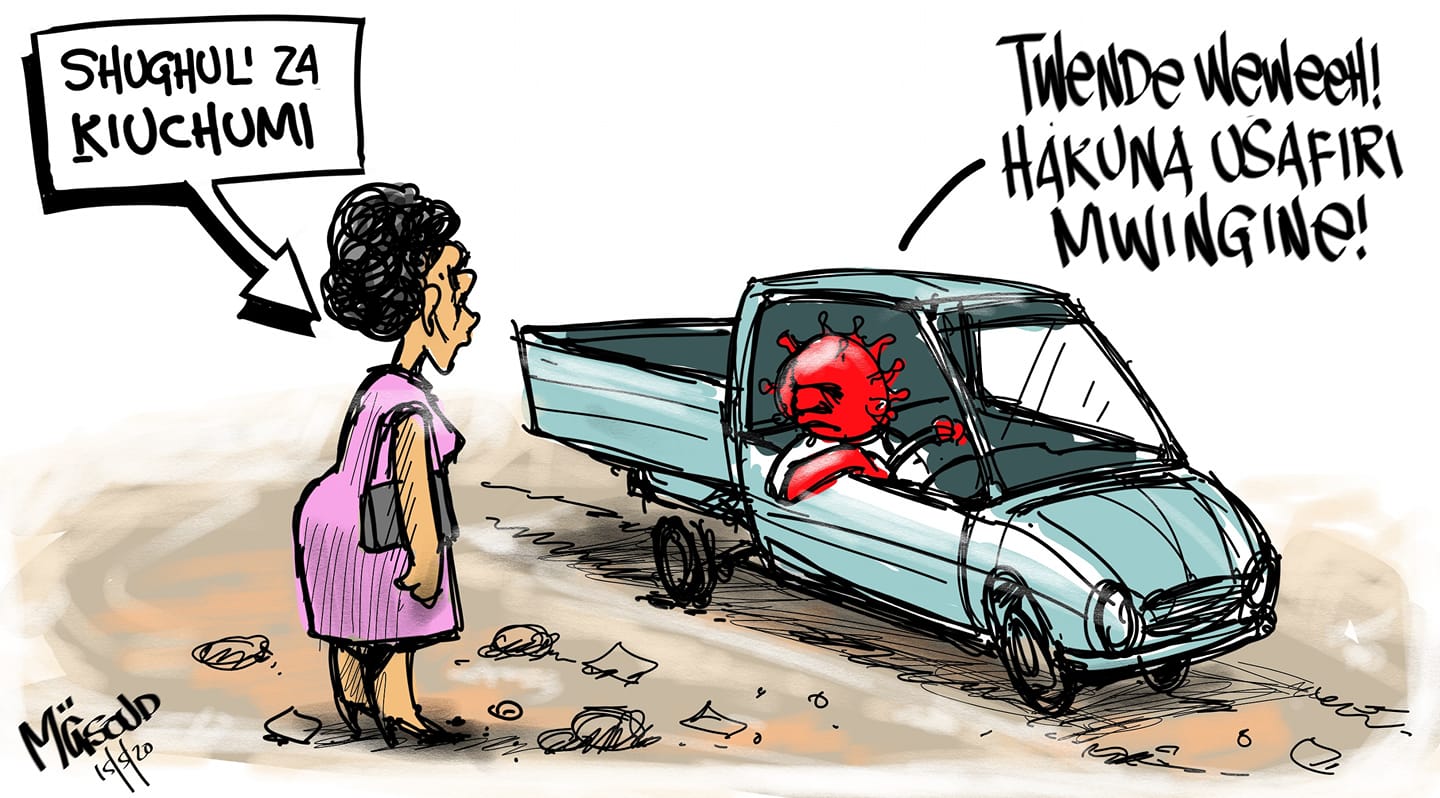
The same happened in Tanzania, a country that had no lockdown since when the first case was recorded. Apart from the cessation of certain activities in some few sectors in the country, including the private companies and some government offices, many things continued normally relative to other countries. Nevertheless, the Tanzanian government insisted on the ban of mass public crowds, instructed schools to remain closed, and citizens were encouraged not to leave their homes unless for essential purposes.

Yet the government proposed different approaches in the fight against Covid-19 and beyond. There was a rapid call to capitalize on recent suggestions from WHO’s emergency specialist, Dr. Mike Ryan, who had warned that; “coronavirus could become endemic in the world” just like HIV. Hence, an apparent urge during the Medical Technology Leadership Forum (MTLF) was to ascertain how the situation would look like if Tanzania officially accepted the pandemic as “a new normal.” Among the answers that were given, was to accept that the disease will exist with us for quite some time, therefore, we should just fight it alongside other endemic diseases.

While experts are working to formulate several social-economic strategies that would salvage their economies from this turbulent period, many people are still experiencing the effects caused by Covid-19, despite the on-going recent reopening. Among these, are disjointed chains of demand and supply where some of the Tanzanian businesses failed to trade their products due to temporary shutdowns in many parts of the world. Many had suffered the unemployment crisis, especially those who belong to private sectors, such as in restaurants, shopping malls, movie theaters, recreational places, and hotels.
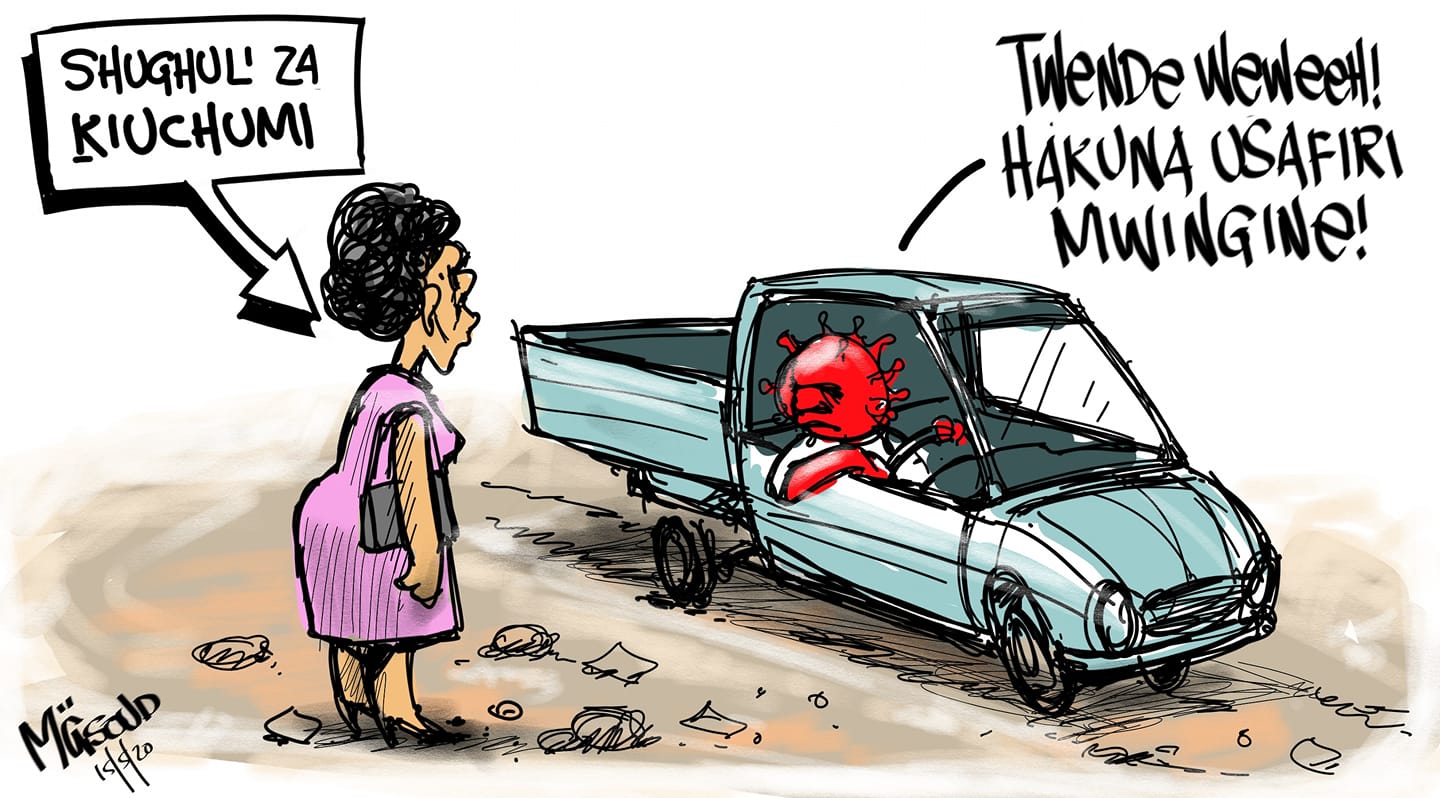
On the record, 250 million Africans who belong to informal urban employment have been at risk, where factually, the pandemic has further impacted their livelihoods, consumption patterns, pilfering their savings and horrify financial plans to an uncertain period. Since Africa’s cities have been homes for an estimated 600 million people who accounts for more than 50% of region’s GDPs, the ripple-effect has enforced companies to downsize the number of employees, while many others radically cut hours of work to maintain essential services.
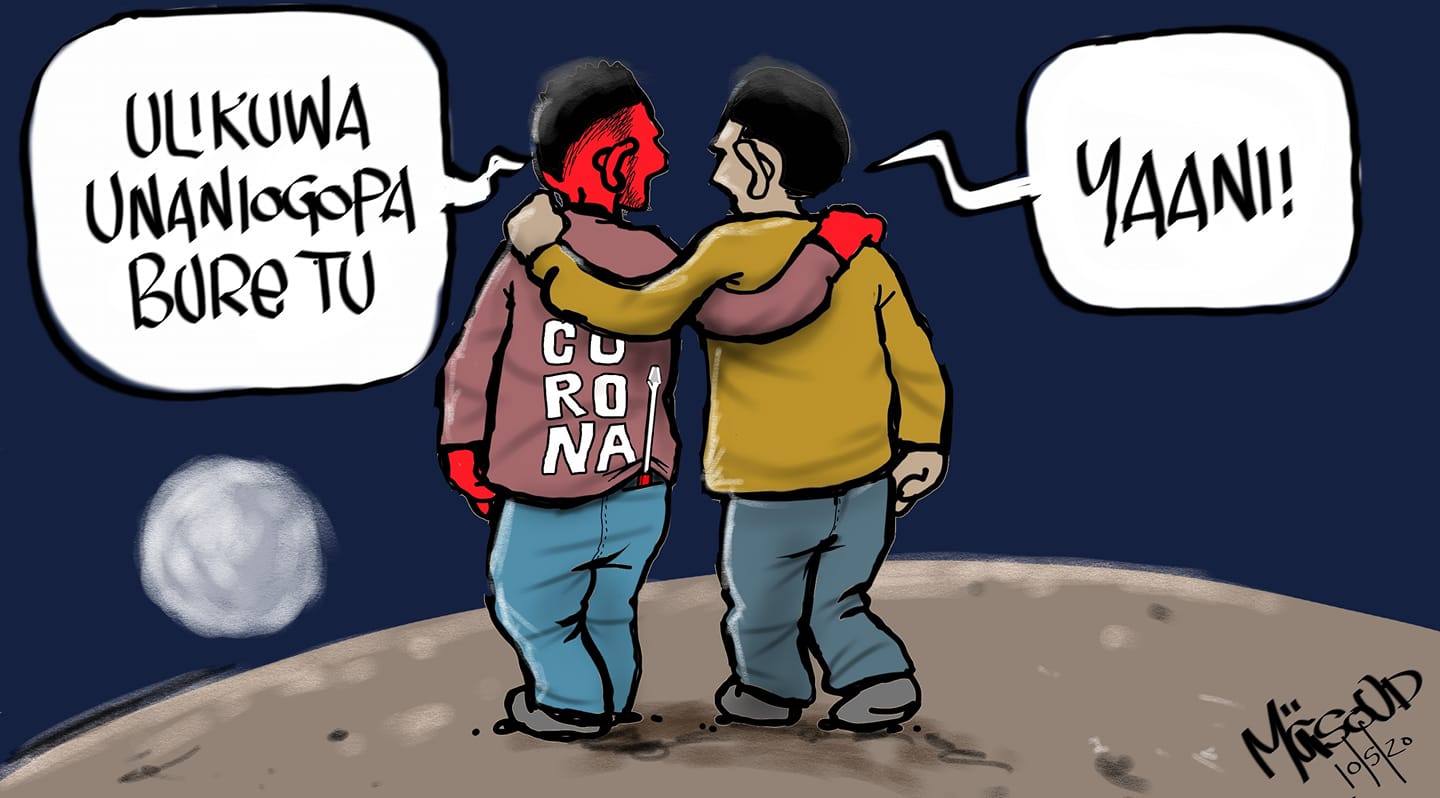
Some companies in many parts of the world had to jettison their expensive leases in pricey buildings to save money and ease repercussions withdrawn from excessive cessation caused by COVID-19. In Tanzania, the hasty fall in revenues had further threatened government where leaders had to distort some of the protective measures in battling COVID-19 to maintain national fiscal stability. Urban consumption for agricultural products, manufactured goods, transport services, and energy also mounted up, leading to escalated costs of living to the point where deprived groups had suffered vastly.
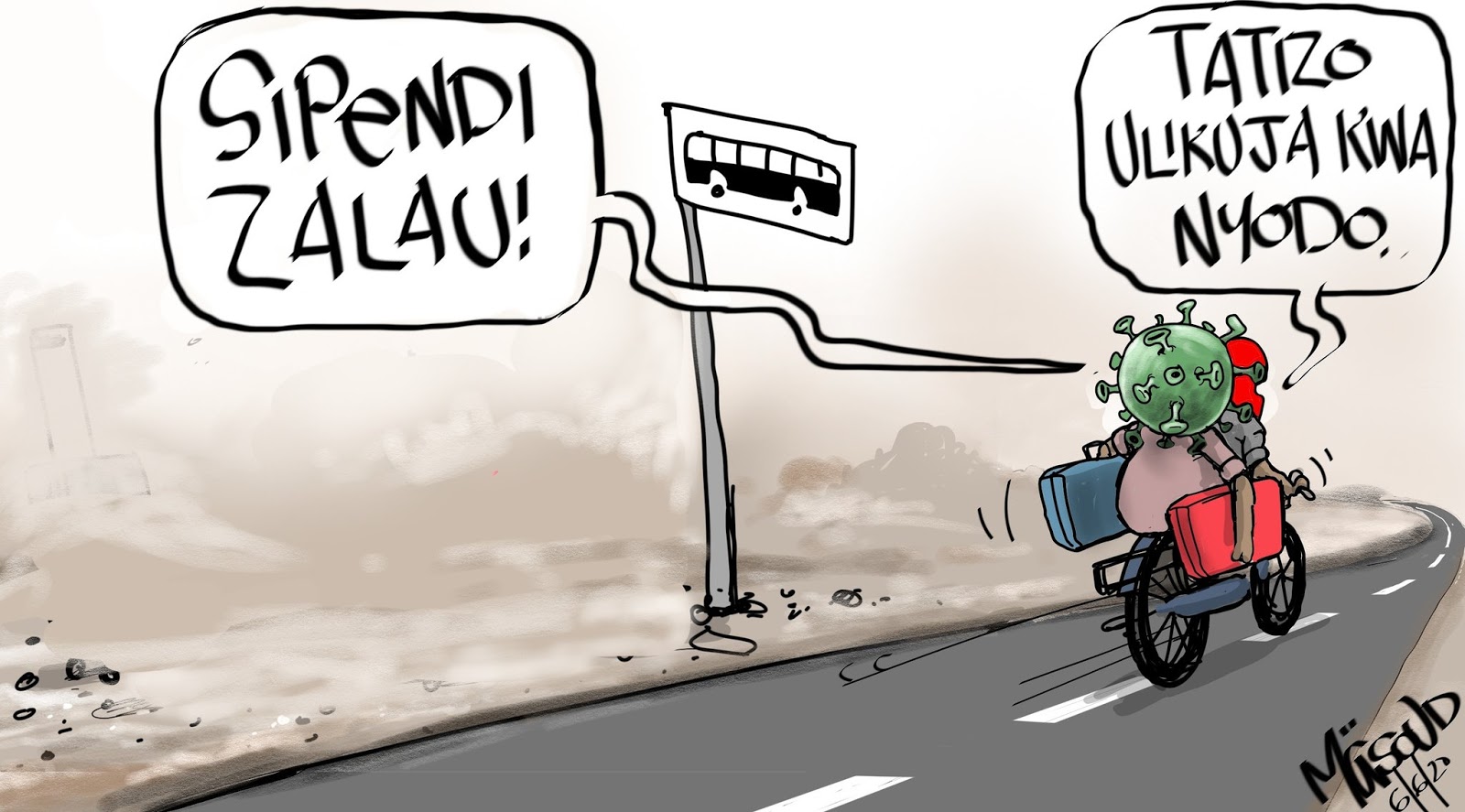
There’s a spectrum of likely post-coronavirus futures. For sure, there is no straight line from here, to there. But there’s a “new normal” that depends on the number of unknowns.
While the pandemic curve is flattening in several parts of the world, we still don’t know if we’re at the front end of the wave, the early days of a wave that will pass over us or the beginning of a multi-wave pandemic, where each crest, each roller, grows smaller, like the course of a bouncing ball. Currently, the world leaders and scientists have placed hopes on the rapid finding of a vaccine for Covid-19.
Despite some basis for positivity, a viable treatment is still unlikely until 2021, which means that; many of us may have to get used to a very different modish lifestyle, even if some restrictions were to be lessened. Otherwise, in the current context, some academics, health officials, and politicians around the world have made the case that, strict lockdowns aren’t necessary.
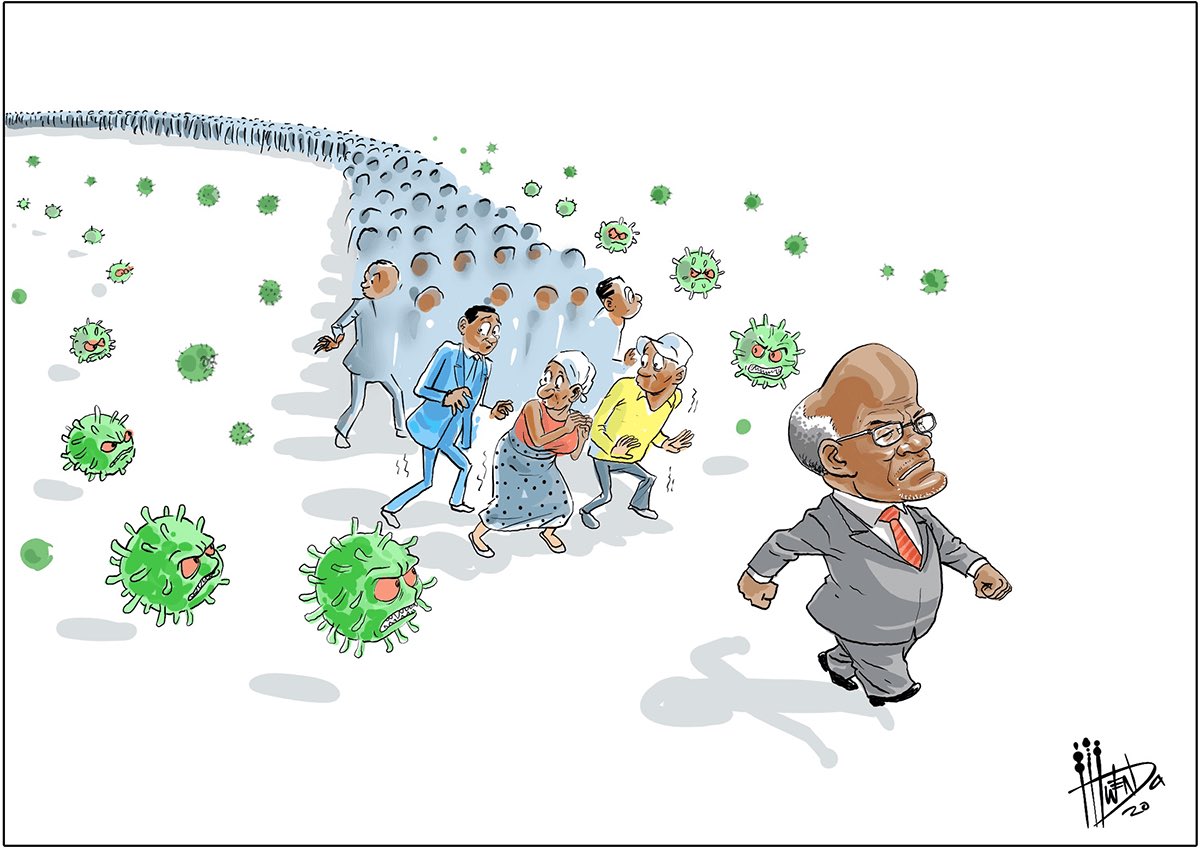
Months ago, before the spread of Covid-19 in Tanzania, social distancing restrictions were highly encouraged. Since the new infections vented like brushfires that spread quicker than they can be stamped out, then everyone freaked out. But unlike the immediate past, there’s a shift of scenario. President Magufuli declared the resumption of schools, subsequently to reopening of recreational, cultural, and sporting activities from next month onwards.
The energy is directed towards normalization and easing of constraints inflicted by the upsurge of coronavirus. As he declared his decision due to an apparent drop-in number of cases, he also admonished the majority to continue with their normal lives, under given precautionary measures to lessen the number of cases and deaths since the vaccine hasn’t yet been developed.

If we are being fair in approaching this problematic discourse on new normality, we are talking about the mortality rate of possibly between 100 out of 1,000 individuals or 1 in 10 individuals globally. We are still not certain yet, but we’re not looking at the Great Plague. We are not looking at nuclear war or Artificial Intelligence (IA) gone rogue or super-enhanced trans-humans wreaking havoc, which are all instances that futurists ponder every day.
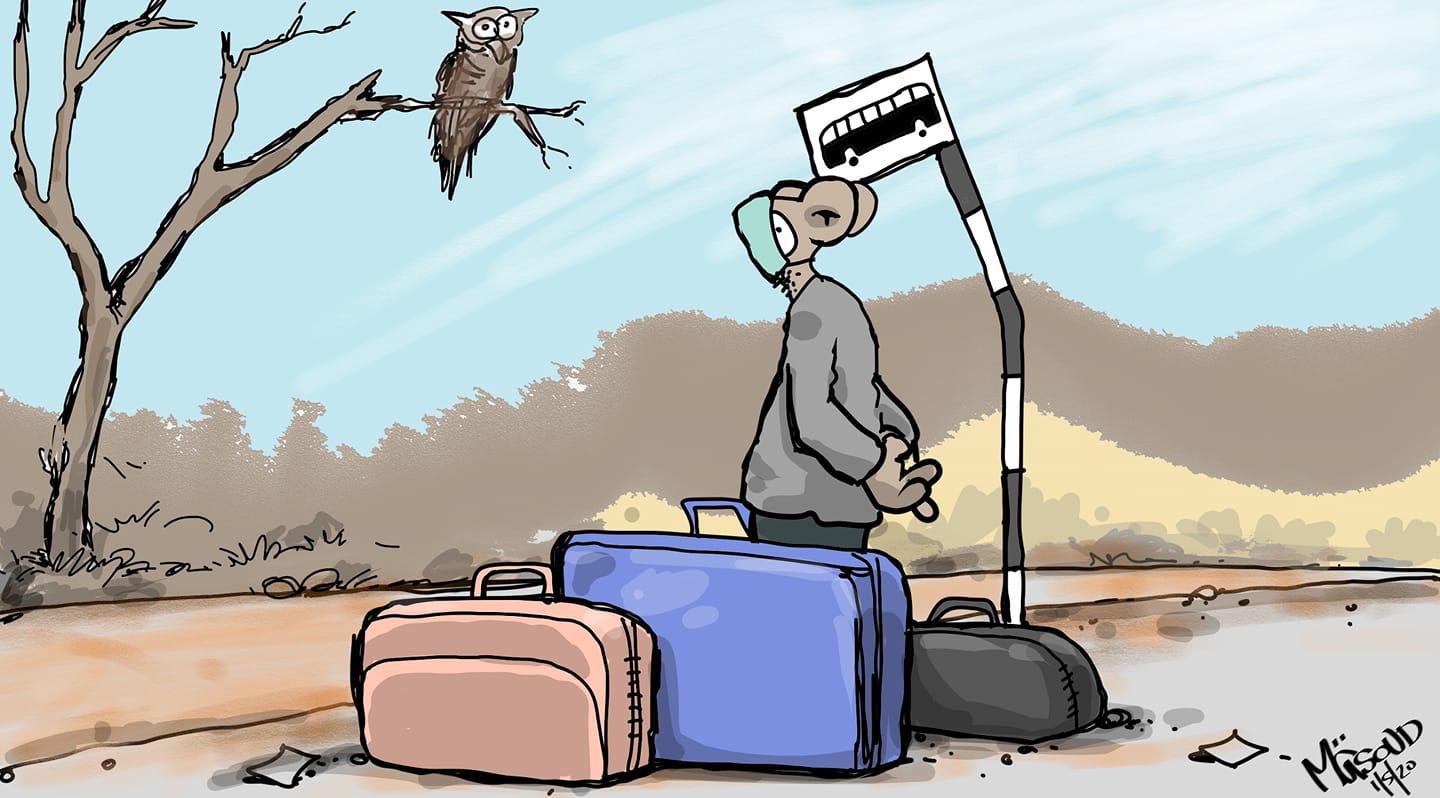
At the time of writing, the coronavirus disease had already killed more than 382, 923 people globally, and left over 6,474,784 million infected while many others were still in a critical state. Tanzania has already recorded 509 cases and 21 deaths. This figure has yet been updated publicly for several weeks.

The experts have also reported that the novel coronavirus is still new and there is much we still need to learn to make knowledgeable and informed decisions. We are not certain yet for how long it will be living with us, therefore we need to make deliberate interventions in the first place and then our normal life must go on. The policy response to COVID-19 in Tanzania seemed to be predicated on, and indeed underscored the presence of, weak health systems and extreme vulnerabilities.

To normalize from these junctures, the government’s current priority has thus been to ensure health care products and services are provided in a protected environment by concentrating on prevention, which seems to be the only effective weapon of stopping the virus right now while people continue with their economic activities. This prioritization has also included washing of hands on regular basis, conforming to social distancing when possible, and using the face masks frequently, albeit there are now mixed signals about wearing them from Tanzanian leaders.

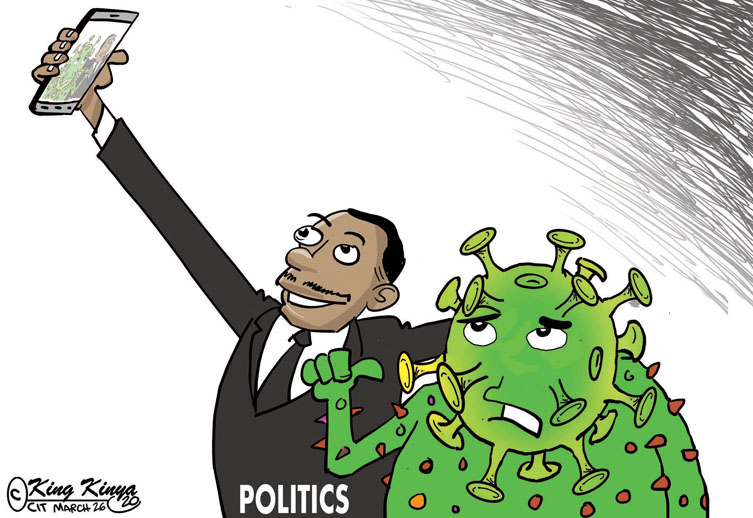
Our people will also have to single out politicians for slander, point scoring, or ideological pomposity in these stressful moments of crisis. As it is obvious that COVID-19 can be with us for an unknown period, in rural areas where the majority do not have access to both proper education on hygienic practices and products related to the pandemic, the government could propose an extensional mechanism to help them to know how to survive with this disease.

Since the pandemic has posed several consequences undeniably, there has been a growing interest in using traditional medicines in Tanzania. This practice has seemed effective in boosting the body immunity against the virus and only advisable when it is done correctly; particularly when research institutions have carried tests, especially clinical trials, to identify whether there are any therapeutic advantages.
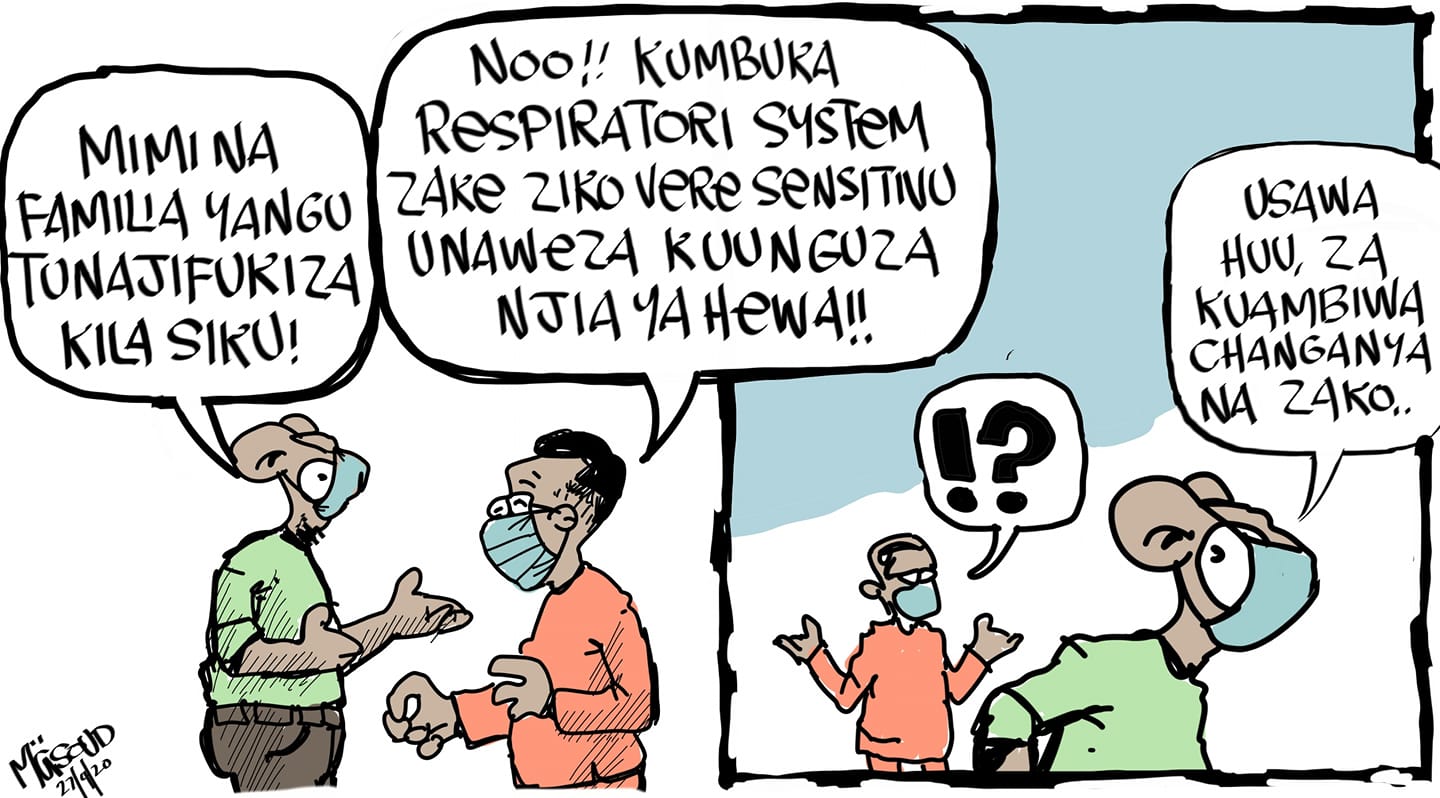
Tanzania is further advised to be more cautious about the on-going easing of lockdowns, curfews, and quarantines elsewhere. Experts are contending that easing should be a process rather than an event. As those other countries begin to relax their lockdowns, essential health-care services must be in place to meet the challenges posed by malnutrition to the sufferers. However, if epidemiological data will indicate restrictions ought to remain in place, then effective measures should be taken to lessen hunger that might arise as a consequence of these restrictions.
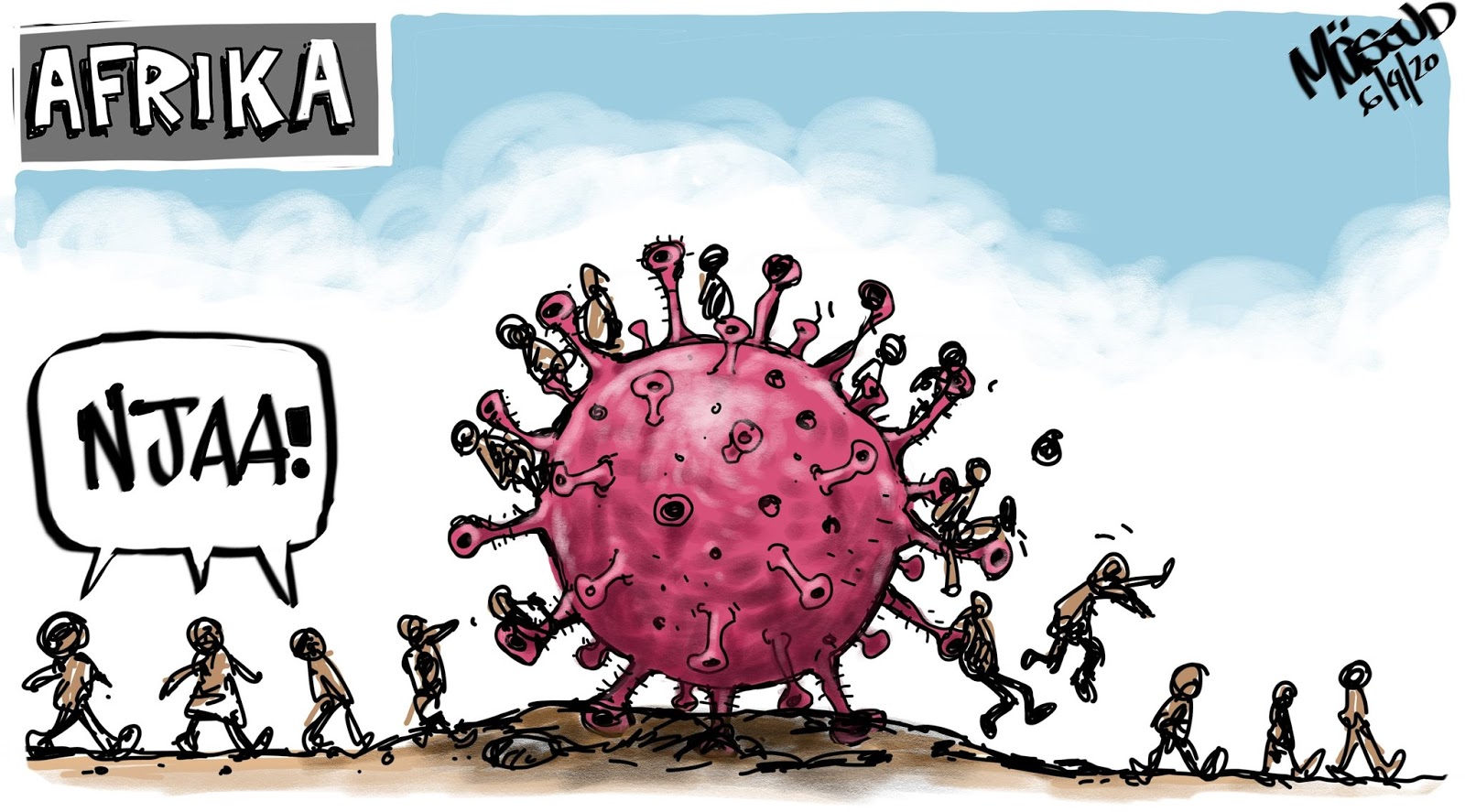
This measure can build from the recent efforts among some East African countries, such as Kenya, Rwanda, and Uganda, that paved the way in assisting underprivileged victims of the Covid-19 pandemic in terms of supporting their wellbeing. For example, when food prices were rising in Uganda, their government begun to distribute food items, such as maize flour, beans, and salts to vulnerable groups in Kampala and its suburbs. The UN in Uganda also appealed for US$316 million to assist 12.8 million people for improving the improve access to health, food, and nutrition, as well as social support and rebuilding of livelihoods during and after corona times.

In the end, we all know that adjusting to change can be mind-boggling right now. Whether change is planned or unplanned, gradual, or abrupt, such change is inevitable and very much part of us. We have indeed experienced an exceptional change in our way of life. But the time has come to be conscious of our disappearing old normal and capable of settling into what seems to be our “new normal”.

It's the fact that we need to live with covid-19 ,, especially to our country which is now growing economically
But to take precautions is important.
And it's very helpful to know about this article
It is very crucial to take note concerning with how to maintain hygienic manner so that to maintain a good health.
Firstly congratulations for this good article for I gain something good and helpful all in all for all Tanzanians and Africans at all we have to take precautions of Corona ….for our own survivar