
It’s exactly a week since I came back to the UK from one of the most awesome countries in Africa, Tanzania, my home country. And now I’m in self isolation, staring outside the window wondering how I could have enjoyed the warm weather that beamed on us this weekend. However, it’s not that I am complaining about staying indoors. It has given me more time to reflect on how much damage Coronavirus Disease 2019 (COVID-19) would cause.
When I left the UK mid-February to go and enjoy the sunny weather in Africa, the first question I encountered at the London Heathrow Airport was whether I had been to China in the last two weeks. I was a little bit puzzled and smiled saying, NO, but so what If I had been there. The response for someone who was on a holiday mood was shocking to them. I was told by one of the attendants that they could have even stopped me from travelling.
At the time that I arrived, there was not a single reported case of coronavirus from Africa. But I did find myself being tested at the Julius Nyerere International Airport in Dar es Salaam. I was not sure what exactly they were testing. Later on, I found out that it was my body temperature they needed to examine.
So, as I always do during my leave, I go to as many places as I can, meet family and friends in all sorts of places, and visit my cousins, aunties, and uncles in Zanzibar. But this particular time, the media was continuously on coronavirus where Italy was the highlight and almost everybody was discussing about their poor demise. Radio, television, social media, you name it. The reaction of the majority was quite calm, maybe hoping that it will never enter Africa, but with some, panic was brewing.
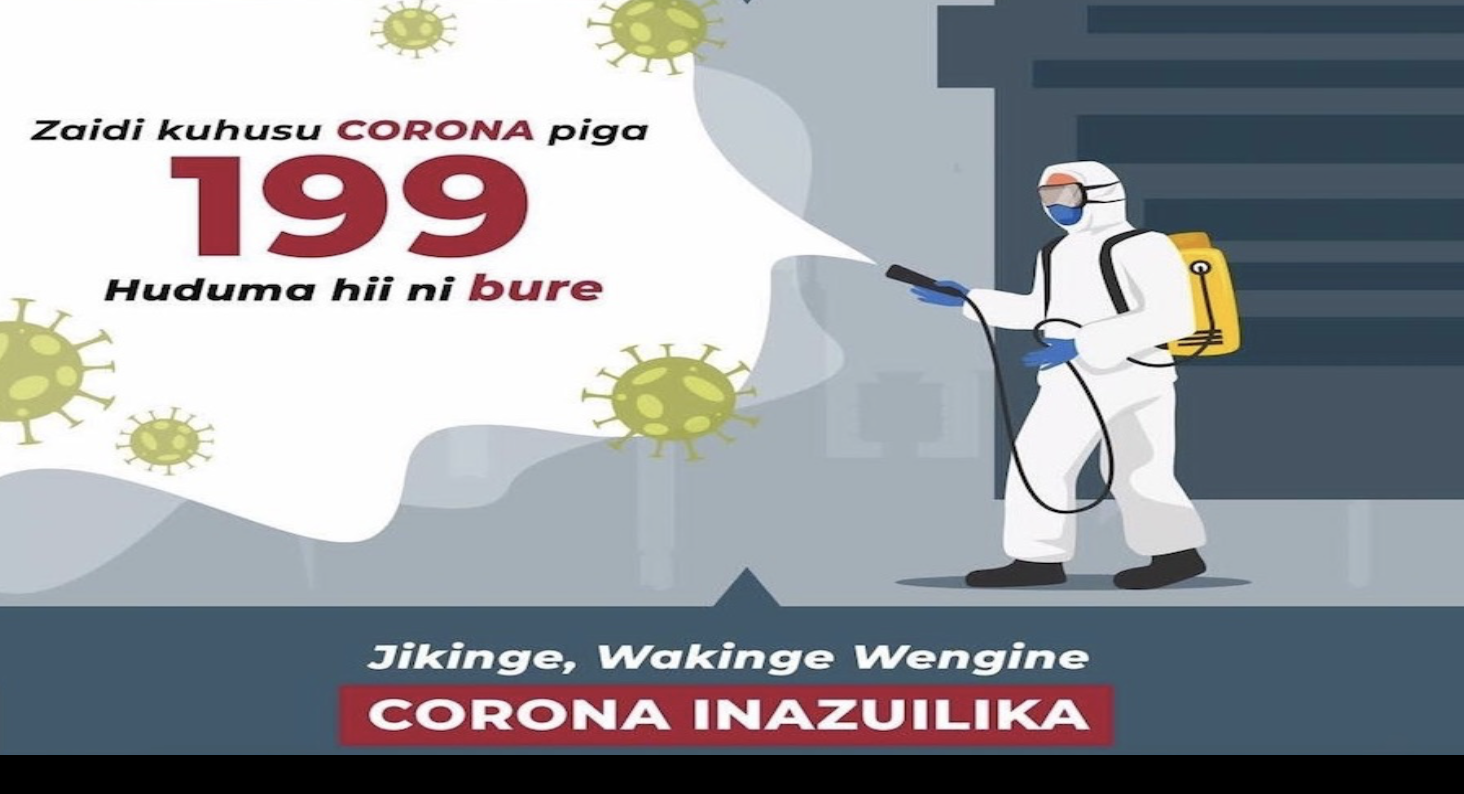
Despite culturally being people who always hug and shake hands while greeting each other, everything almost changed the minute the first case of a person infected by the virus was announced. Nobody wanted to shake hands, each will say ‘tusishikane, mambo ya corona’(let’s not shake hands, it’s all about corona). The announcement from the minister of health in Tanzania came just one hour before my friend Vicensia, my cousin Tutu, and I landed in Arusha. We were heading to the Ngorongoro Conservation Area and Manyara National Park. And, alas, the first coronavirus case was in Arusha.
Our first reaction was not to panic. We already had our sanitisers handy and we had a long discussion on how to protect ourselves and what to do in case we do catch the virus. It might not sound believable that Africans are easy to adjust, but what I witnessed in Arusha, where tourism has been highly affected, is how people immediately started washing hands. I have never washed my hands that much in my life. Every step you take in a hotel or restaurant someone comes over with water and soap or sanitiser. And, as I said earlier, no handshake at all. I know some will say, that alone is not enough. But it is a step forward.
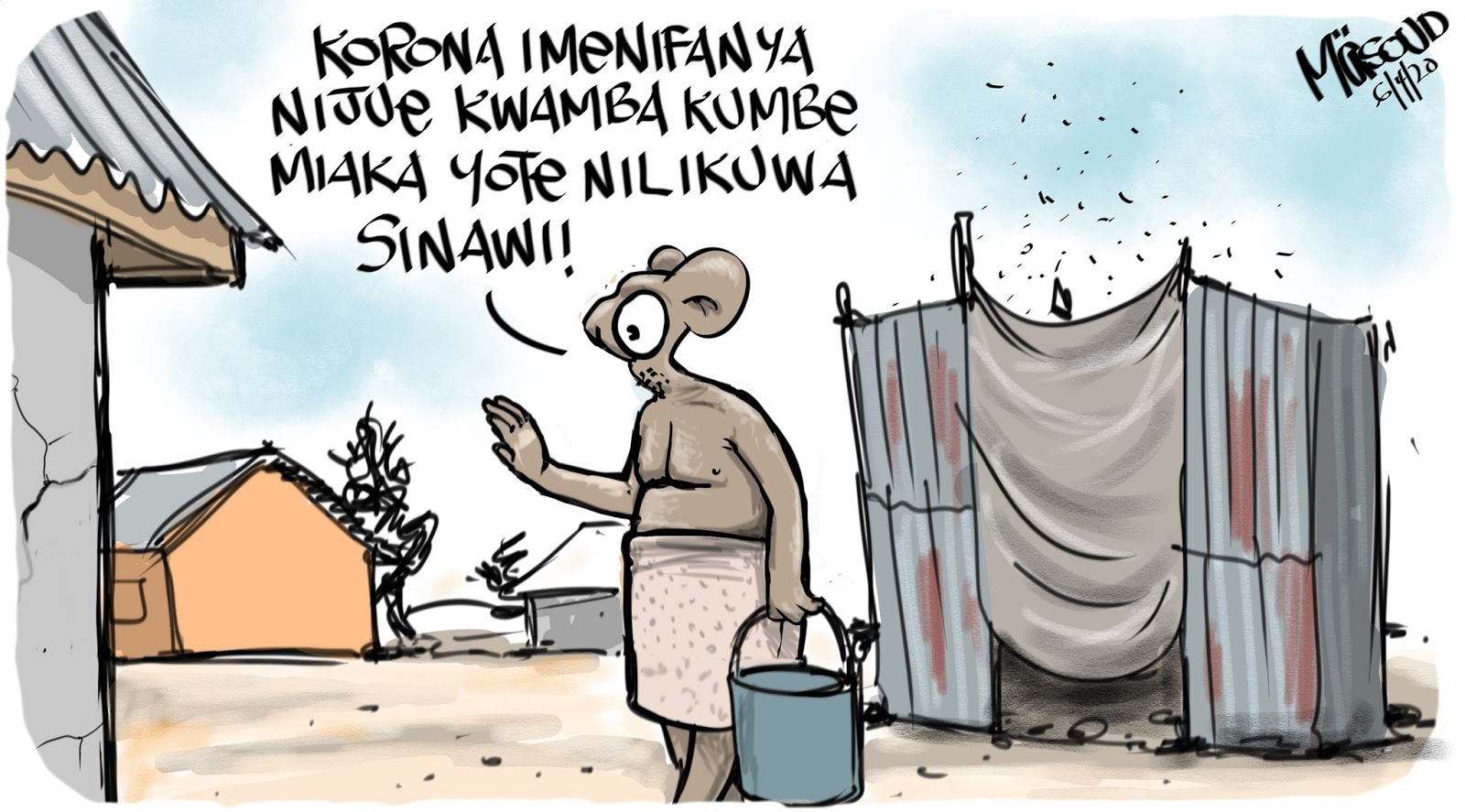
The majority have changed their behaviours, despite the government not announcing a lockdown. A number of people who never even heard the word sanitiser started gaining interest. Most of the hotels and restaurants were empty and many respected social distancing.
While all this was happening most of the airlines cancelled all their flights in attempt to combat the spread of the virus. However, I managed to get Qatar Airways from Zanzibar. At the time more than 7,000 people had died in the UK. Did I panic? No. But I was very concerned as I am among those who have an underlying condition – asthma.
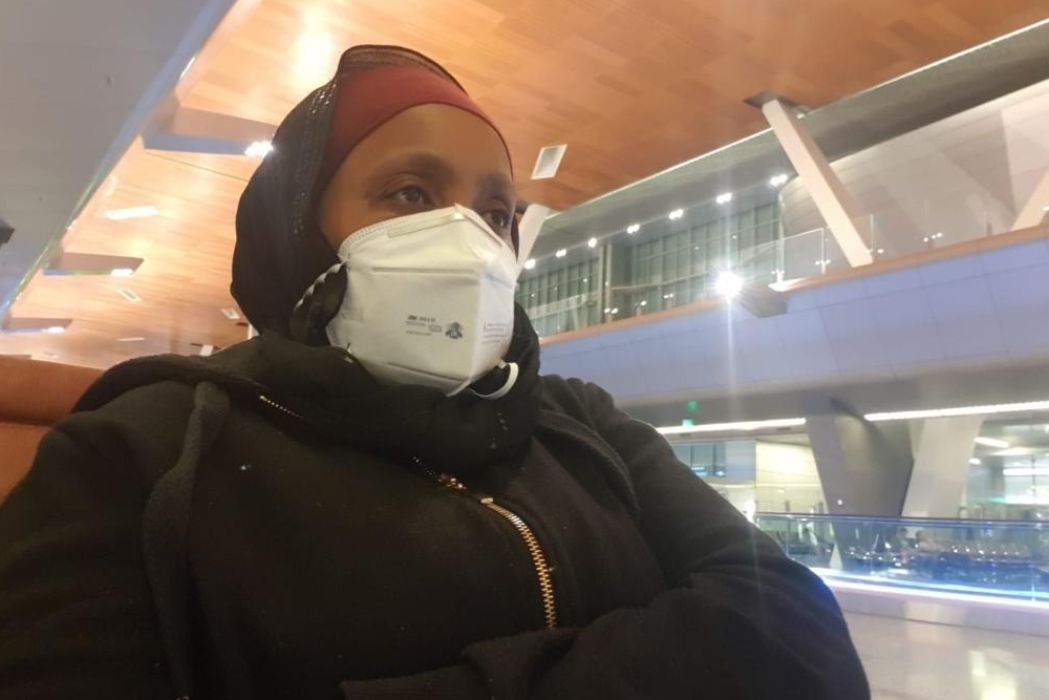
I stayed on transit for almost 5 hours in Zanzibar and a number of hours in Doha as well. You can imagine the number of people who were around the airport. Though most were wearing masks nothing is fully guaranteed. Unfortunately, I could not stand wearing a mask as my nose started itching continuously and made me sneeze profusely. And sneezing makes a lot of people around you uncomfortable, especially during this pandemic. When I sneezed just before boarding the flight in Doha one European woman who was sitting beside me stood up, looked at me, nodded her head in disgust, and moved far away to another seat.
I arrived safely. Unlike Tanzania where they tested your temperature, the UK was a bit relaxed as I was not tested at all. I went home straight away and noticed the country was almost deserted. Then I got a minor flu, which made me remember all the homemade ‘concoctions’ as my dear friend Jo-Angeline, who called to see how I was doing, call them.
So, I thought of all the natural medications our mums and aunties used to give us, from boiling ginger to drinking hot water with lemon and honey. I even came back with leaves from the neem tree, which is known as muarobaini/muarubaini in Swahili as it was said to cure forty (arobaini/arubaini) ailments. As I was taught as kid, I boiled the leaves and inhaled their vapour. I just did anything that will make me feel I am killing the virus.
What was different in the UK is the lockdown where almost everybody is indoors. You only go out for a very specific reason, mainly to the hospital or to buy groceries. Even that has to be very brief. As I hardly had any food in my house, I popped out briefly to buy groceries two days after my arrival. You have to be prepared to ‘wait ages’ for a bus and, on top of that, you have to be patient enough to wait on a long queue at the supermarkets while making sure you observe a distance of at least a meter or two from each other.
What surprised me when I was in Tanzania was the number of phone calls I received from my cousins in the UK, asking me to bring back Panadol, yeast, and spirit for homemade sanitisers. At the time some of the stores in the UK had run out of these products. Now there are some limits on the amounts that you can buy to curb hoarding so other people can also get necessary products.
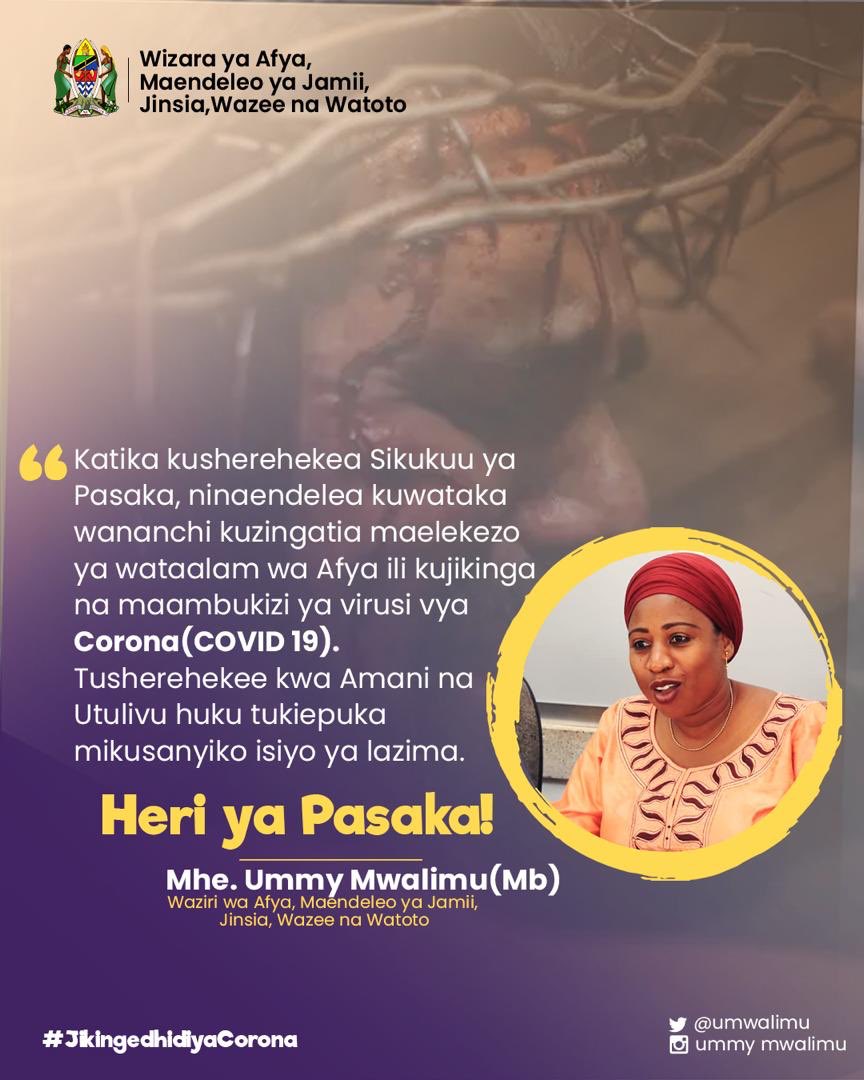
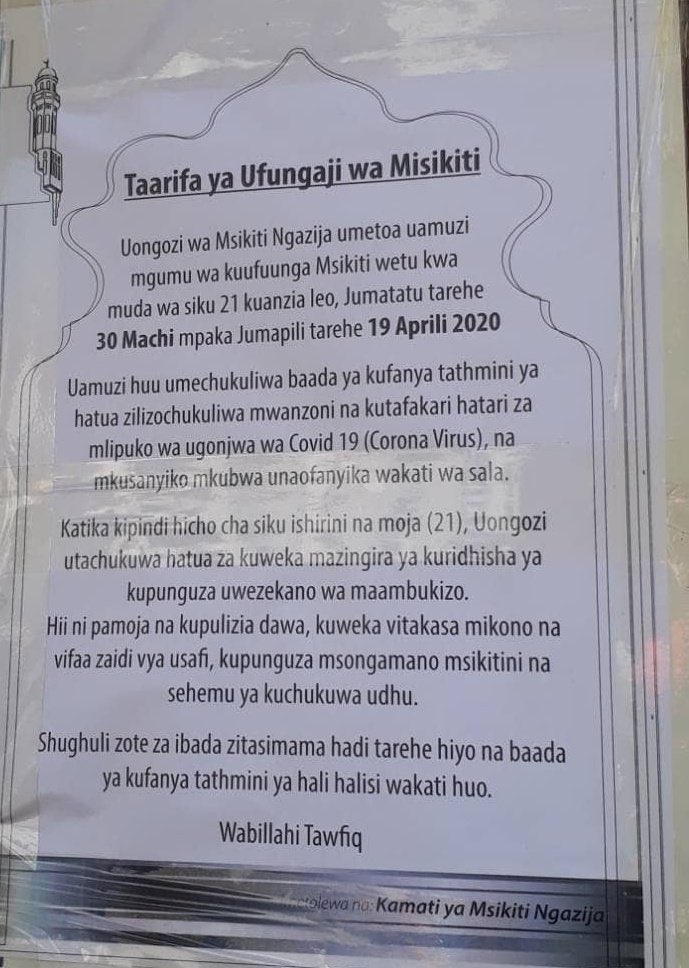
While I sit and wonder in my living room about Tanzania, a number of issues come to mind. Despite closing schools, no handshakes, and Tanzanians trying hard to wash their hands, religious gatherings and public prayers are still going on. In my own view, such public gatherings could be halted for a while just to help in combating the virus. One particular mosque in Dar es Salaam, known as ‘Msikiti wa Ngazija’, had almost took the right turn by closing its operations for 21 days so as to protect its worshippers. However, just after 3 days the mosque had to change its stance. A number of friends have also told me how hard it is to convince their parents to stop going to churches.
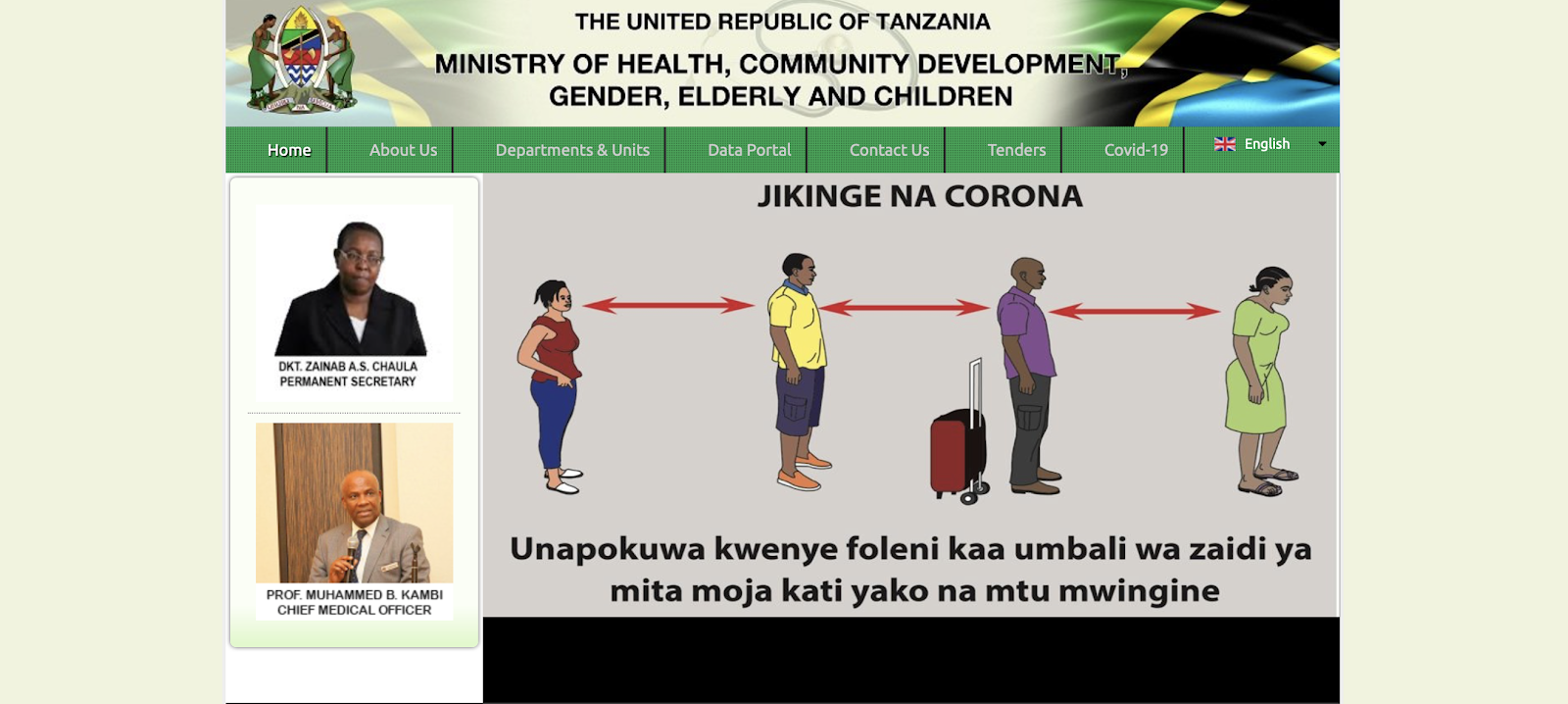
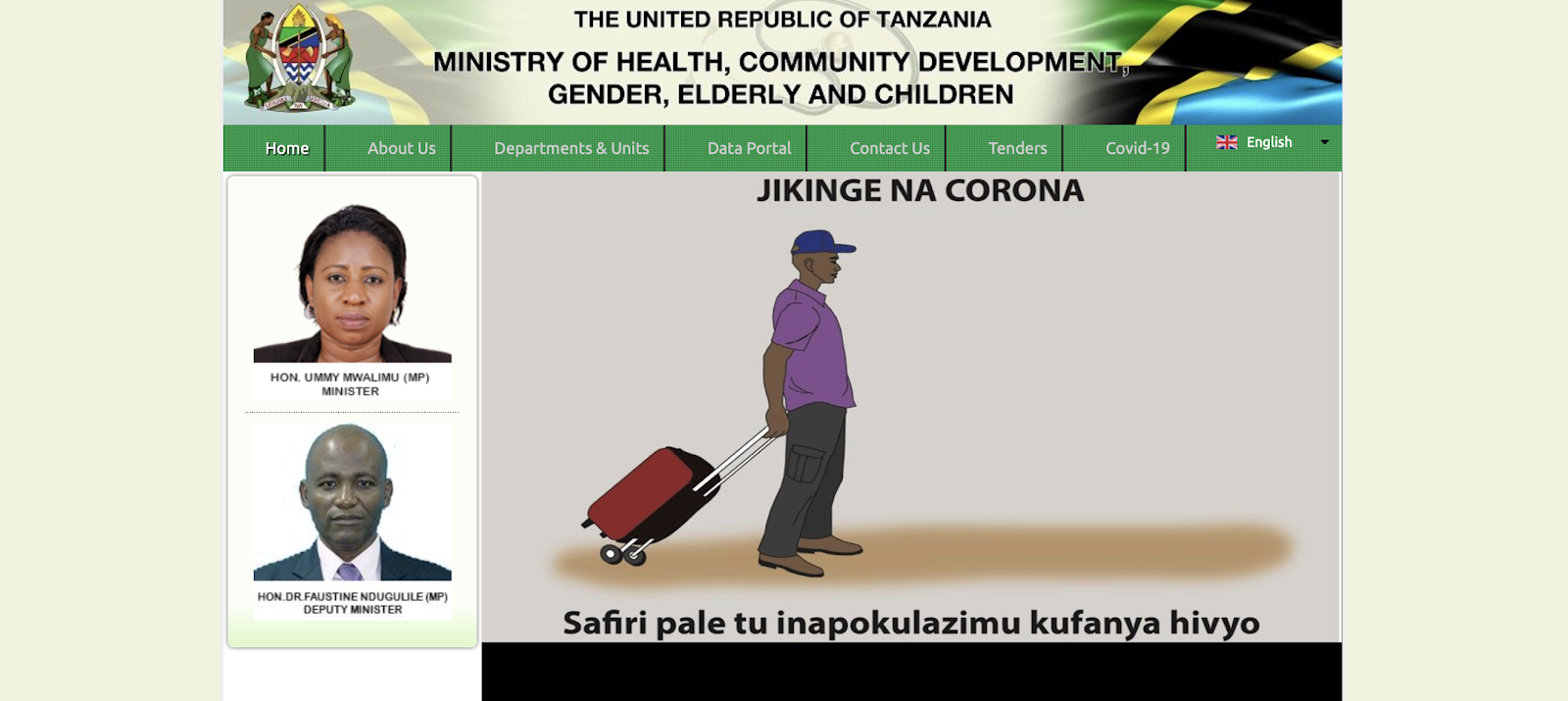
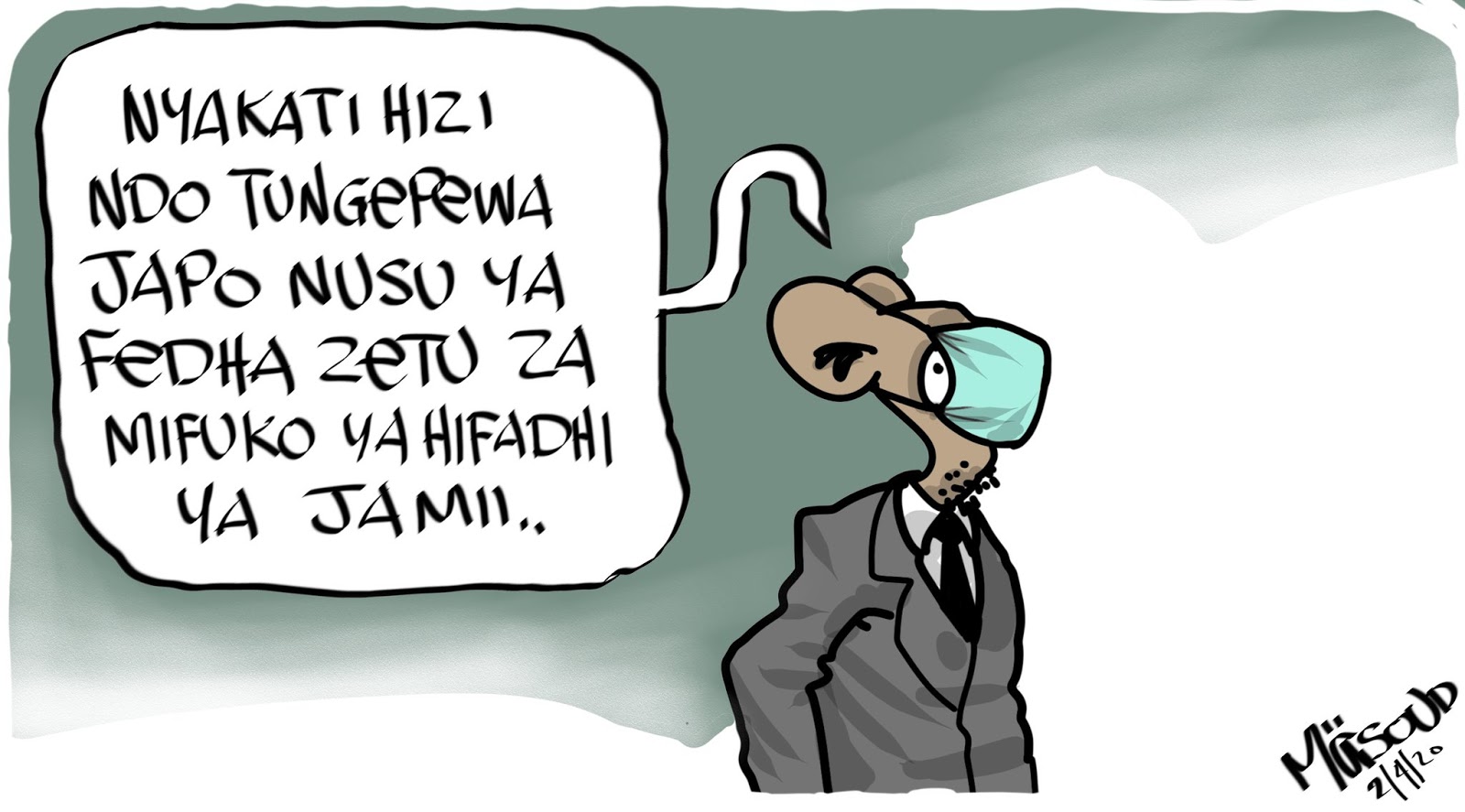
It may also not be easy to control people who use public transport, but maybe taking less passengers at a time might help as what is called ‘level seat’ in Tanzania seems to be aiming at. Not everybody can buy from supermarkets, but maybe controlled queues in traditional markets might serve the purpose. Limited people should enter banks and other public spaces at a time. In my reflections I thought flights, especially from abroad should probably be suspended, so I am relieved that at last Tanzania has decided to halt all international passenger flights. Our local media should also be more proactive in sensitising people to take coronavirus seriously and follow official guidelines on how to protect one another.
I am not saying it’s going to be easy. But I strongly feel it should be done. Well, that’s just me, dreaming that my beautiful continent of Africa and the whole wide world will be saved from this terrible virus. As the first president of Tanzania used to say, “it can be done, play your part.”

Incredible our dada zuhura I just love your story and guess what?we waited up to easter to burn for international flights although we are late but it's a step forward just yesterday we encountered 32 Corona cases to day I wake up in the morning just to find the numbers has risen to 46 cases,I hope we are in community transmission but we were told to pray for our almighty God will never leave us.
It’s normal to feel anxious when something is well publicized and is something new and potentially dangerous. Something big is going on, but I think the reaction is largely to all the coverage. We focus on what’s new, as opposed to what’s a part of how things usually are. Thousands and thousands of people die from the flu every year, but we’re thinking about the new thing. We're all thinking about you and wishing you well and look fwd to see you soon kwenye Dira ya Dunia TV
So interesting..thank You! And stay safe plz Dada
Thanks for your good experience and measures you take to protect yourself despite the long journey from Tz. Mungu atusaidia kufata ushauri na kuchukua hatua
A well written journal that offers insight into two different worlds;a developed country versus a developing one.the only current similarity is the novel virus.tuchukue tahadhari na tuombe Mungu aturehemu.kila la kheri!
Thank you, this was relevant to read!! Stay safe
Woow,nlikua naisoma kwa ku imagine ur voice, interesting..thankyu for sharing ur story and ur views ni wakati sasa wa Tanzania kuchukua tahadhari zote kwa umakin zaidi. Be blessed sister
Story nzuri sana, uliyotuandalia Zuhura Yunusi. Hakika Nchi yetu inaenda kupitia kipindi kigumu kutokana na hili janga la corona. Na ukizingatia zaidi nchi zetu za Africa bado kuna mdororo mkubwa wa uchumi na miundo msingi bora ya afya. Hakika ni Mungu tu kuingilia kati kuzinusuru nchi zetu za Africa kutoka katika hili janga la Dunia.🙏🙏
Well articulated article my sister. Stay safe. We don't prefer lockdown to happen here in our country as many people depend on daily basis routine for their meals. Yes. People might suffer from hungry instead of covid19
Thank you for your advice, hopeful the government will take measure on those issue mentioned herein so as we can able to prevent our community from this virus, May God Help us, stay safe sis
Thus Why We Need More Help, Incase More People From Interial Village Tanzania Are Not Take It As Serious Case. But Hope Slowly They Will Learn And Know How To Protect Themselves
Your insights pertaining this pandemic is really amazing, we congratulate you putting this on table, looking at some countries in Africa, the pandemic all seems like a joke, like it is never been there, like it is just a disease killing some few people and simple measures like washing hands, no hand shakes and social distancing etc to be taken by its people, little didn't we know that being the smallest organism more like an atom the damage it has caused wildwide is huge, each and everything throughout the entire world has been paused news headlines now is corona in all chanels on tvs nothing else especially non local ones…so the advice you give and some other like protecting the healthcare workers because those are the ones encountering patients at first sight yet with no protecting gears, and you can imagine how many people a doctor or nurse sees or meets during their daily activities if they have contracted the virus say still in latent phase with no symptoms how many people would have the disease at the end of the day? Its practically a huge number! so lockdowns, social distancing, avoid gatherings be it religious, social or political and some other gunuine measures has to be improvised and these are potential and usefull measures to African governments to help protect its people. however, politics has to be complitely isolated from this pandemic! Work as one putting aside our political differencies lets get free of this then we can play the game later lets save our people whom we asume are to vote for us sometimes to come who are to pay taxes we need to get money to build the countries, but my other question about lockdowns in Africa will Africans sustain hunger to be free from the virus as we know our economy is low and on daily basis an average African has to get out of their houses to put food on table, it sounds to me more like if someone won't die with corona on full stomach may be hunger without corona, its ironic all in all our prayers to God to get us all out of this masacre we pray!
Dear Zuhura!! Its a fact that the eyes can't see what the brain doesn't know! The world is full of panic beacause every minute the discussion is about the virus.As was going through your article am thinking about the situation of the health systems here in Tz which is obvious not different from our neighbour's in the region. As a country i commend the measures that has been put in place. We cannot copy everything as what the Americans or Europeans have done. Am not sure if we have enough consumables to test every suspects or contacts. We have overarching priorities,I think you will agree with me on the current on going projects!! Its very difficult for know to decide to halt all on going projects and fund the health systems. Do we have fund that can be provided to vulnerable individuals who will be highly affected with the lockdown?? Overall we have many unknowns hence the mitigation plan will be progressively elaborated as we gather the details. Ciao
Thank you for your experience in Tanzania.
Aunti yake Claire-Teresa, hii safi sana..
Niko Arusha, basi nanawisha mikono kila nikiingia na kutoka hotelini. Jana nimenawishwa getini, kufika reception nikanawishwa tena. Corona ikiisha tukaendelea hivi, hamna kipindu pindu tena wala magonjwa ya matumbo. Mungu atusaidie!
Thanks dada Zuhura, i read in panic silly me. i was holding my breath from each para expecting the worse experience, but i was just being me. Thanks for sharing your experience. I am also surprised that religious gathering have not stopped to date and why should it be the government responsibility to do that. I thought the religious leader had power to do that and they should be respected in so doing, but what do i know.
You people your English is pathetic and wanting.Why can't you just express yourself in swahili!!!
Because many of us prefer medium of instruction in our mother tongue or home language
What an interesting article as I was pass through the line of your publication I was felt so sympathy in relation to what is going on over here in our country,generally to world wide is very tragedy story over every media about this pandemic "COVID-19" from my point of view we as African we should take this pandemic serious and trying to comply with the all recommendations come from our medical practioners. I do believe that together we can overcome this pandemic in God we trust. Thank you very much sister Zuhura for your interesting narration.
People in UK asking Panadol from Tanzania that's enough to show the thing is deadly. We Tanzanians still take it as joke perhaps we still want something bigger over our shoulders to happen so we can learn..
I read your articles its so interesting hope God wi will not desserty our fellow African stil pray for my beloved continent
The article is very loud and clear
As a leading journalist in Tanzania, your failure to highlight the President's religiously fanatic comments on gathering in churches and mosques despite its risks to the population is what makes Tanzania weak.
Mashaallah, very nice story nimeipenda