
Chato: The land of cotton, fish, tarmacs, and national parks
Ronald Ndesanjo
For some three years or so now Chato has been all over the news for one reason or the other. But, more importantly, it is President Magufuli’s hometown and, before then, home to a Cabinet Minister in a number of high profile ministries. Just recently there were news that a new national park (Burigi-Chato National Park) has been officiated, repositioning the northwestern town on regional tourism map. No sooner had the news sunk in than were we informed of grand plans to build a big government referral hospital in that part of the country as a move to promote medical tourism in the great lakes region with Tanzania as a leader.
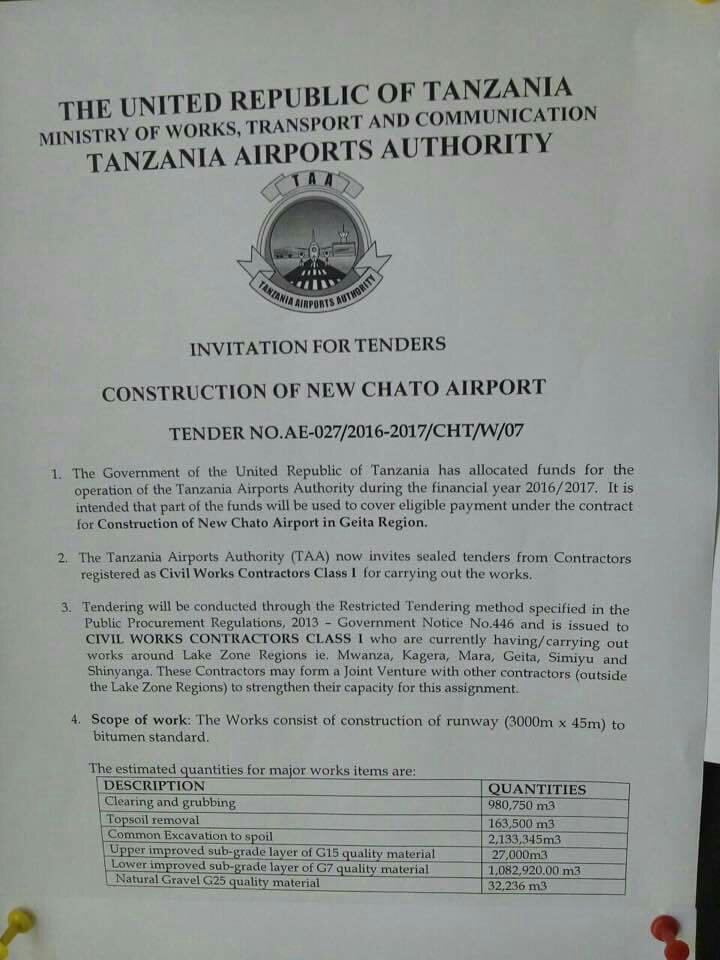
These developments just made it into a series of other big, ambitious plans in the area. Since 2015, for instance, a TZS 39 billionairport has sprung up. It is a Grade 4C airport (aviation experts would know what this means), with the capacity to accommodate a 100-200 passenger jetliner. Businesses, such as banks and hotels, have also opened their braches there. A cargo and passenger terminal at Nyamirembe Port on the southwestern shores of Lake Victoria is receiving a facelift.
Why Chato? My main argument is that recent progress that we have witnessed in this northwestern town is principally propelled by what I dare call unrealistic driver(s) of economic (and to some extent social) development: patronage politics and regionalism! But a bit about Chato before I delve further into this.
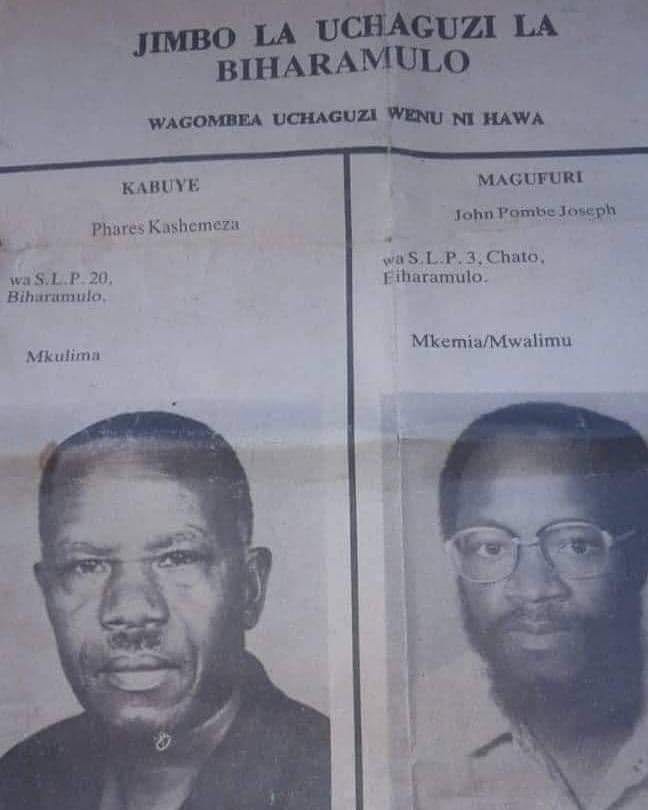
Located along the shores of Lake Victoria in northwestern Tanzania, Chato was originally a division of Biharamulodistrict in Kagera region up until 2005 when it became a fully-fledged district. In 2012, it was transferred to a newly established region of Geita. It was rumored that the move to a new region was out of efforts to make Chato the regional headquarters of Geita. It apparently lost to a more competitive candidate, Geita district (which itself was cut off from Mwanza region) possibly due to its superior economy, strategic location, and vibrant large scale mining activities.
This move, it is further alleged, came at a cost of other areas’ development; Biharamulo district in particular. Rumors had it that a tarmac (trunk) road project that was meant to link Bukoba with Kahama via Biharamulo town was diverted to run through Chato, bypassing Biharamulo contrary to the ‘original plan’ per political promises made to the wananchi there. But that is history now as all trunk roads in that part of the country are paved.
When one considers the current economic geography of the lake zone region, Chato district is still relatively too isolated to justify the ambitious development priorities it has attracted over the past decade or so. What I mean here is that a place has to have the necessary (and realistic) socio-economic conditions to demonstrate the development pace that we have witnessed in Chato recently. Nevertheless, it enjoyed this advantage in the past. Let me elucidate.

Between the 1980s and 1990s, the economy of Chato flourished due to two main drivers which I deem realistic as opposed to the current ‘politically’ driven one. These included a vibrant peasantry economy with cotton as the main crop and fisheries. At the heart of the cotton value chain that drove the area’s economy was Biharamulo Cooperative Union (1986) Ltd (BCU). Although the cooperative was administratively run from Biharamulo town, the then district’s headquarters, it was in Chato where virtually all the action happened. All the cotton produced in the district from as far as Kalenge, a border ward with Kigoma region, was ferried to Chato Township where BCU had its ginnery for processing.
As the cotton lint was shipped out by water through the Nyamirembe port or road to Mwanza and then by rail to the Dar es Salaam port for exportation, the seeds were pressed to produce cottonseed edible oil by the name ‘CHATO’. Chato ginnery had an embedded oil mill in it that produced the edible oil brand which put Chato on the lake zone’s trading map at that time. It is this cotton boom that kept Chato economically afloat in the two decades; putting money in pockets of thousands of peasants across the district and a handful of locals employed by the BCU ginnery in Chato town.
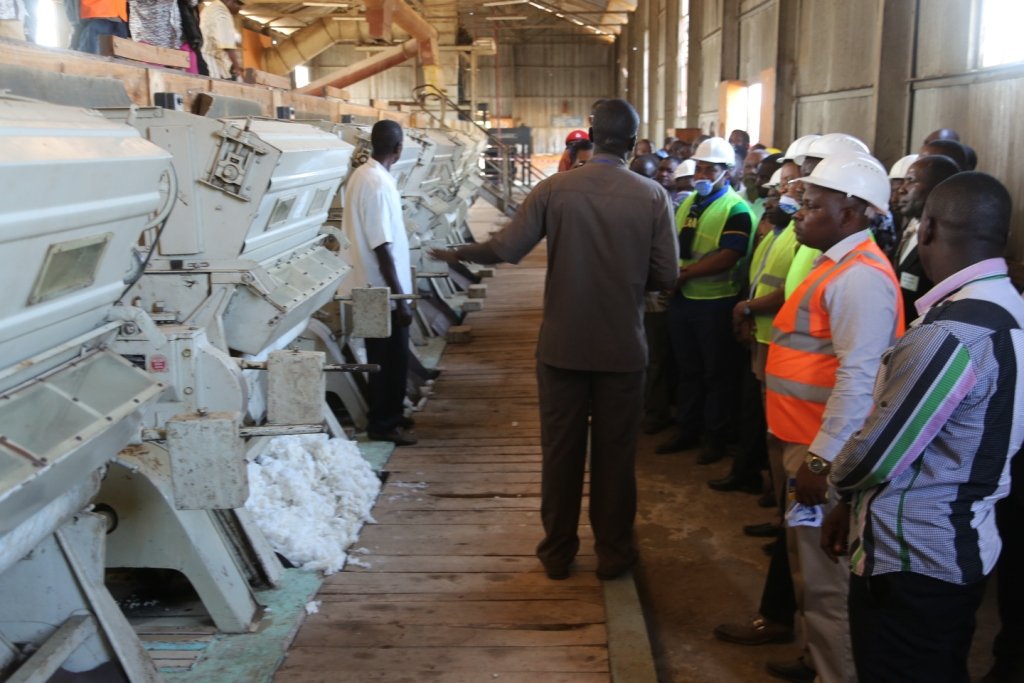
The BCU collapsed in 1997-1998 due to a number of factors. These include the hard times that cooperatives all over the country were going through following the introduction of Structural Adjustment Programs (SAPs). It was also due to the then ensuing private (ginneries/cotton traders) sector.
Another driver of the district’s economy in the same period (1980s and 1990s) was fishing. Up until 1997, when the war broke in the Democratic Republic of Congo (DRC) (then Zaire) and three years after the Rwanda genocide, there was a very vibrant fish export business from the Southwestern Lake Victoria zone. Nile perch (smoked, salt-dried and fried) was the main traded species most likely after its numbers significantly rose in Lake Victoria in 1980s.
Chato town was one of the fish trading centers receiving fish traders from all the way in Rwanda, Burundi and Northeastern DRC. Local traders and fish brokers made quite a fortune those days and the district’s economy was substantially active. However, with the emergence of civil unrest and wars in the Great Lakes region this trade was adversely affected and Chato’s fish economy was never spared.
Reggae legend, Bob Marley, once sang that “when one door is closed, many more is open.” With the two economic pillars falling apart, the son of the land came along; John Pombe Magufuli. After serving as Deputy Minister in the Ministry of Works during his first term (1995-2000) as Member of Parliament for Chato, John Pombe Magufuli (now a PhD and President of Tanzania) was made full minister in the same ministry. This was the second (and last) term of the 3rd phase government under President Benjamin Mkapa. Chato would never be the same again.
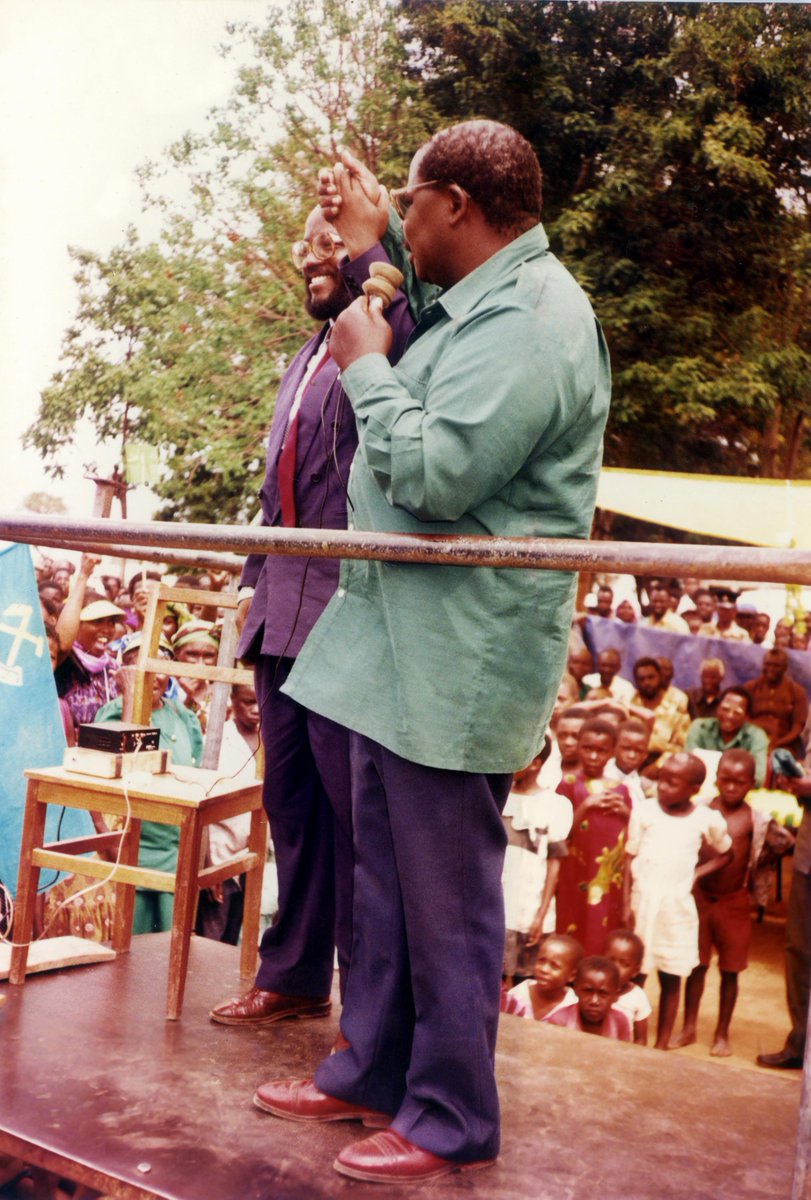
It started with tarmac roads as Chato ‘quickly’ got connected to regional/trunk roads network. Some cried foul that ‘the Minister’ was favoring his home place when it came to road projects. Besides, he built quite a reputation at that time for overseeing road projects ‘very well’ in Tanzania. If there is one thing for which President Magufuli will ever be remembered is the enormous work he did in building the longest tarmac road network since Tanzania came into being.
Back to Chato. The district is now traversed by a tarmac road connecting major urban centers of Mwanza, Geita, Kahama and Bukoba. No doubt, more projects are underway. Even the cotton and the fish could never do to Chato what Dr. John Pombe Magufuli has. It is claimed that even built-up area in Chato (government offices, buildings, etc.) mushroomed during his tenure as MP.
Fast forward to post 2015 elections, Chato’s development pace has been put on over-drive. As noted above, a lot has been accomplished in a span of four (4) years or so now. Chato may even make it into economic development literature as ‘the best’ model of areas that made progress so fast. Let me reflect a bit further on this.
The justification that we have been given for government’s deliberate move to push development priorities in this part of the country is that they want to promote, or should I say stimulate, the economy there. It is often presented in relation to especially targeting market/trade potential offered by countries in the great lakes region. Chato district/town has been earmarked as the future hub for trade and business in this vast region.
Not Geita with long-term history of a better performing economy driven by gold mining, among other things. Not Kahama that boasts one of the largest gold reserves and largest (gold) mining investments in the country and second largest trading center after Mwanza. And, of course, not Mwanza that has and still serve as the largest trading center in the whole Lake Zone region of Tanzania.
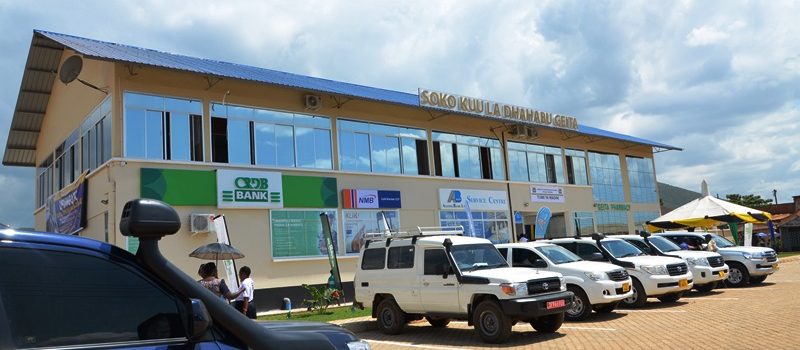
I argue that all these places have ‘the right’ economic basis and conditions to sustain the types of development priorities/investments that seem to find only Chato as the most ideal area.
The big question is: Why this extraordinary obsession with Chato?
Take tourism, for example. In 2017, the government launched the Resilient Natural Resource Management for Tourism and Growth (REGROW) Project financed, to the tune of US$150 million, by the World Bank to boost tourism in Tanzania’s southern tourism circuit. Just 24 months later, plans to upgrade to National Park status five game reserves of Biharamulo, Burigi, Kimisi, Ibabda, and Rumanyina were approved by the parliament of Tanzania. As I write, Tanzania has, literally, two new National Parks from the upgraded game reserves.
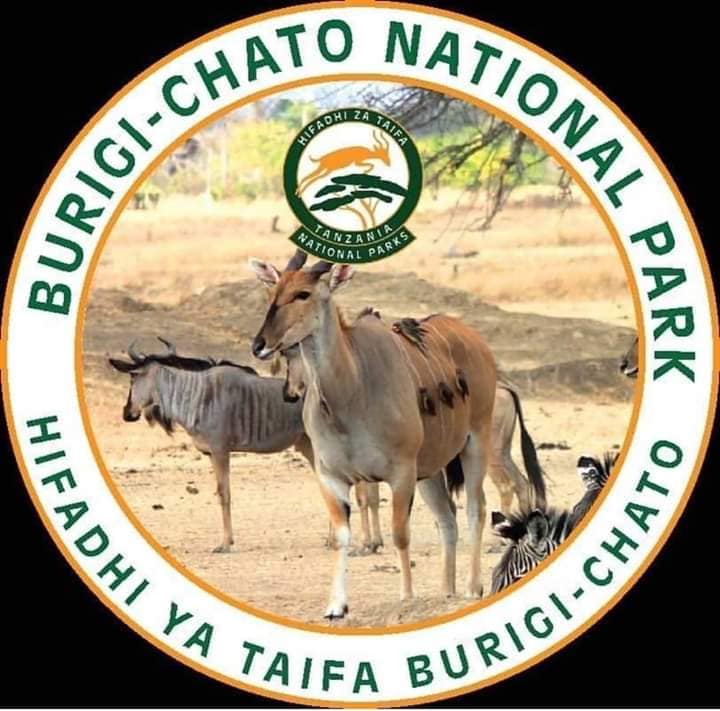
As it has been noted above, one of these is partly named after Chato. In fact, it is more of a renaming or rebranding as, prior to the upgrading, Burigi-Chato National Park, was known as Burigi Game Reserve, I don’t think Tanzania National Parks Authority (TANAPA) has the capacity to handle this additional burden when only the Northern zone parks are actually keeping the rest financially afloat.
When one looks at some cabinet ministers, government officers and business (banks, parastatals, etc.) leaders talk about launching this or that program in Chato, leading this or that campaign in Chato, opening this or that business branch in Chato; one can literally see how this is about pleasing and making an impression to the President than socio-economic realities on the ground that should warrant such development and investment priorities by government and businesses.
One can see how they struggle to marry two incompatible things: their conscious and the reality manifesting before their very eyes. In an economic and socio-political context where, relatively, the President has absolute powers, I don’t know another way one can maintain her/his political career or save his/her business (or a senior position in a public parastatal) from (new) government censorship. We are witnessing some interesting patronage and regional politics here.
Whether the current development momentum ‘demonstrated’ by Chato will be maintained after President Magufuli’s term ends is a paradox.
My thoughts and prayers are with Chato!


Good work Dr.