

This is Part 2 of a series of commentaries on Udadisi Blog entitled Tanzania Institutional Diagnostic: A Response and Comments By Andrew Coulson
Chapter 2: Collecting Insights for an Institutional Diagnostic of Development
This chapter, by François Bourguignon and François Libois, brings together information about the major institutional challenges to development in Tanzania. More than half the chapter reports on questionnaires administered to a sample of 101 elite Tanzanian decision-makers. These include politicians, administrators or civil servants (including those from the justice system, the military, and the foreign service, as well as public administration), business people, and those from civil society. To select the sample “REPOA, in co-operation with Oxford Policy Management, determined a list of target respondents who satisfied the occupational, geographical and gender considerations”. They interviewed these respondents, asking them for their opinions, on a scale of 1-5, on a long list of topics; the most significant were corruption, land issues, the absence of effective regulation especially of infrastructure, and lack of transparency.
83 of the 101 were male (but this does not stop the authors making comparisons between male and female responses – women turned out to be much more concerned about all kinds of discrimination than men), 95% of them were living in urban areas, and just over a third were “directly involved in politics”, divided equally between supporters of the Government and the Opposition. By far the greatest numbers in the sample were born in Dar es Salaam, Moshi, Arusha, Tanga, Kagera or Mwanza – the Southern and South-Western parts of the country were under-represented.
The questionnaire-based interviews were supplemented by unstructured interviews: “several experts, some of whom are at the highest level of responsibility in the country, were interviewed on an informal or open-ended basis” – about 50 in total.
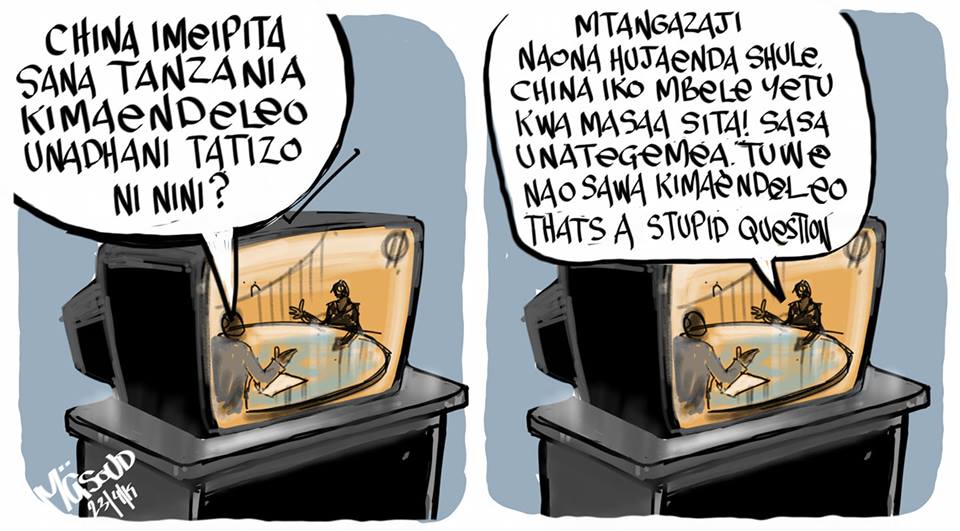
The chapter then turns to internationally available data from different sources. Very large numbers of indicators were grouped into clusters, six of which were deemed to be most significant: democracy, human rights, administrative capacity, rule of law and corruption, conflict and violence, and competitiveness. Comparisons of these are made with the six countries that border Tanzania, and with five Asian countries. Tanzania outperforms many of its neighbours on all six indicators, and compares very favourably with the five Asian countries. These results are unexpected, to say the least.
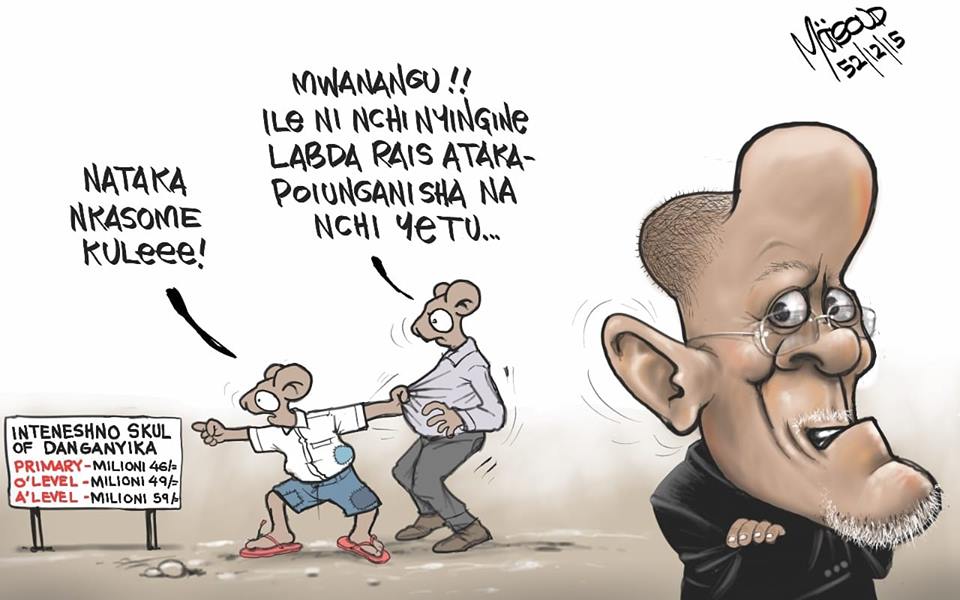
Perhaps many Tanzanians underestimate the levels, and successes, of their economic growth, because only a little of it trickles down to them. Many middle level government employees face this personally, not least because the President has removed many fringe benefits, such as cash allowances for attending conferences and meetings. So, for example, numbers of African Tanzanians able to afford to send their children to elite English-language schools, such as Morogoro International School, have fallen.
The limitations of this kind of methodology are apparent: the surveys are dependent on the selection of the sample and the questions asked. There should have been many more women in the samples, and more effort to get representation from across the country. A deeper criticism is that they reflect what is actually going on but not necessarily what should be. Thus, there is no mention here of global heating (climate change), or population growth.
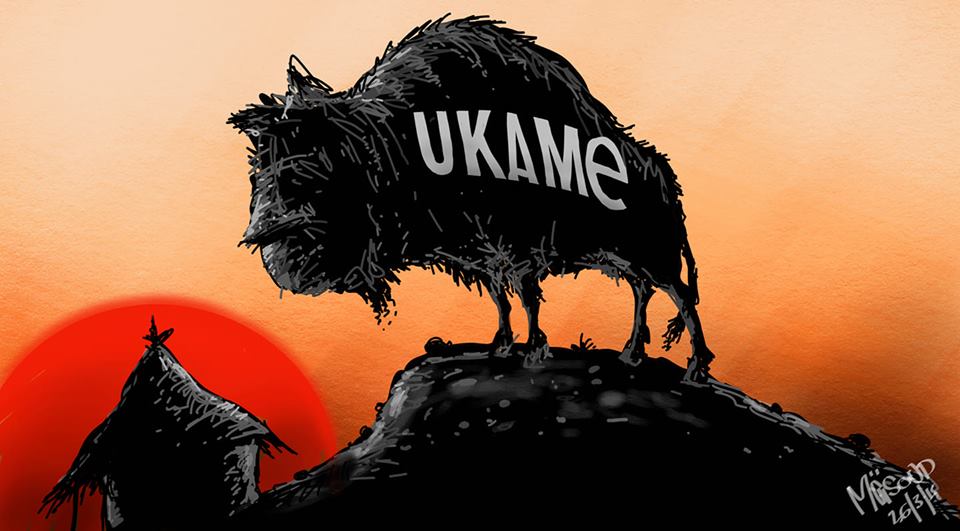
The official line, reasserted by the President, is that population growth is good, and a population of 100m will make Tanzania a powerful state on the world stage. Economists, overwhelmingly, see rapid population growth as making it harder to get rises in GDP per capita and finding employment a greater challenge. In our book on agriculture we suggest that small scale agriculture is the only way of providing jobs on the required scale – a reserve army of labour, but not one likely to be called on much (Coulson, Ellman and Mbiho, Increasing Production from the Land: A Sourcebook on Agriculture for Teachers and Students in East Africa, Mkuki na Nyota, 2018). Arthur Lewis had good instincts. Even keeping a large part of the population alive may not be easy to achieve, given global heating, soil degradation, declining sizes of plots in mountain areas, etc.

I partly blame myself and colleagues for Tanzania’s uncritical response to population growth: in the 1970s we taught a very strong anti-Malthusian message – but when I left the country in 1976 the population was only 16 million! China’s GDP is growing at 6-10%, but its population is reducing, as a result of the draconian one-child policy. I doubt if that would ever be accepted in an African country. But it means that there are that much more resources available to ensure that almost everyone can get an uplift.
