
The educator in me was born 10+ years ago. She has been constantly shaped, nurtured, and transformed as an individual and a professional. These years have aroused my interest and deepened my commitment on issues of equity, policy, and leadership.
This piece reflects on Stronger Together: A Blueprint for America’s Future by Hillary Clinton and Tim Kaine (2016). I intend to identify facts, examine fears, and challenge failures in financial policy in higher education. I shall draw examples from Tanzania, my home, and the US, my current place of residence.
Clinton and Kaine assert that education is key to young people achieving their dreams. It is how they discover their passions, develop their talents, and start their journey toward fulfilling and challenging careers. This assertion is both a fact and a fear.
The fact lies in the goal of higher education for both Tanzania and the US where a person with a college degree is expected to contribute better to the economy by paying taxes and becoming an active problem solver of social issues in one’s respective community. Simply stated, those who have experienced higher education are expected to be leaders who shall bring positive impact in their communities.
The fear brought by this assertion is that those who need loans from the national/federal/state budgets for tuition and cost of attendance in higher education are assessed on the same Key Performance Indicators (KPIs) as those who actually receive them. It is this fear that results in a greater number of college graduates who declare themselves failures because they realize that they have two huge debts – one is to pay off the loans they acquired to attain higher education and, two, is they have to lead a community that has practically failed them.
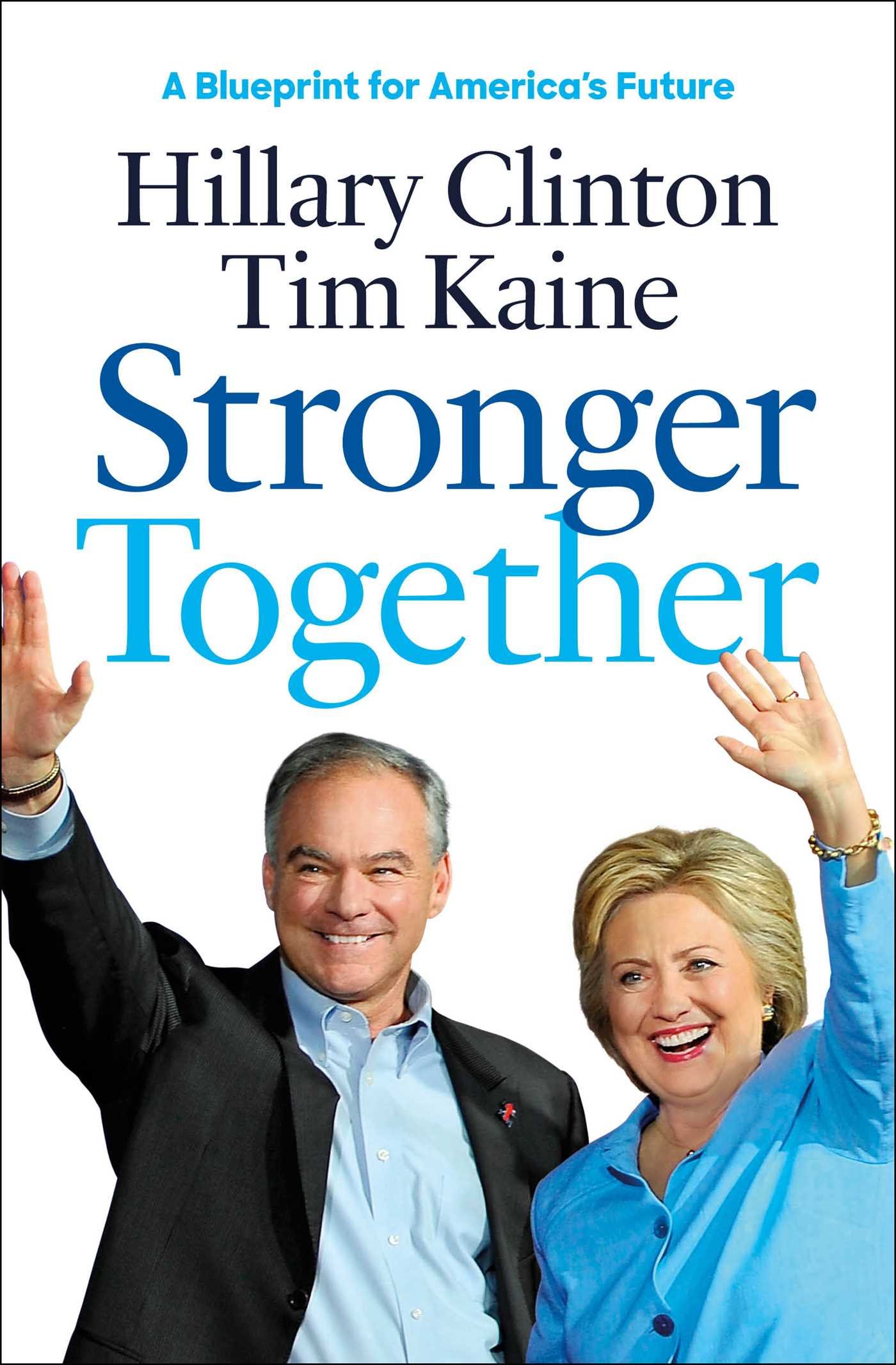
Clinton and Kaine reveal that nearly seven out of ten college graduates in the US are in debt. This is clearly a result of less investment in Federal Pell Grants and more in loans for young Americans. Similarly, a higher education students’ loans programme was introduced in Tanzania in 2005 through the establishment of the Higher Education Students’ Loans Board (HESLB).
The fact is that student loans in the US and in Tanzania came into existence to enhance expansion of access to higher education. There is evidence of higher enrollment in higher education following the establishment of such programmes. The fear brought by this fact is what happens to students who graduate with debts.
Student debt, Clinton and Kaine further argue, prevents Americans from starting families, buying homes, and launching small businesses. This brings to mind this question: how do we expect leaders from people who are terrified of starting families, cannot afford to buy homes, and die dreaming of launching small businesses? I am convinced Tanzanian college graduates are no different from the Americans – they too are terrified of starting families, cannot afford to own homes, and die dreaming of starting small businesses.
With that I join other educators who have been wondering about the relevance of higher education to the society. How is it still relevant in this new millennium? Clinton and Kaine (2016: 46) state:
“—surveys show that the millennial generation is aspiring, enterprising, and independent-minded. But barriers like student debt and a lack of credit are holding young people back.”
I am a millennial. I am aspiring, enterprising, independent minded, and a seeker. I seek answers, I seek questions, I seek lessons, I seek doors. I am a seeker.
This piece is one of the many ways I seek answers, questions, lessons, and doors. I seek persistently. In my seeking, I have learned that education is key for some young people to achieve their dreams.
The policies implemented in higher education both in Tanzania and in the US result in a few young people discovering their passions, developing their talents, and starting their journey towards fulfilling and challenging careers while many live their youthful years in fear of being failures. The national/federal/state budgets informed by financial policies in education enhance equitable access but do not ensure equitable outcomes of higher education. The fact is that students come from different socio-economic backgrounds and that many graduates expect to be hired by the public or private sector resulting in a large pool of unemployed and cannot-afford to self-employ young people.
My conviction is that anyone who attained their college degree more than ten years ago should have the capacity to create employment for others. But how many of us have that capacity? How can millennials be aspiring, enterprising, and independent minded when they have debts and doubts of what their college degree has done, is doing, and will do for themselves and their community?
How do we get the courage to expect positively impactful leaders from an inequitable education that fills graduates with fears of being found out as failures? Our failure lies in the fact that we are often planning about the next and overlooking the now. Where is the door leading to facts fancier than the current?
What can we do now? What must we do now?
Yes, I am a millennial. What can I do now? What must I do now?

it’s a very nice topic for discussion, all stakeholders should be involved to allow opinions from both sides.
Thank you for your comment.
Brilliant!
Looks like loans enhance expansion of both, access to higher education and indebtedness. Policy makers have more to do to address the concern
Thank you for your comment. I wish I could say, they do but I am one of them. We sure do have a lot more to work on to address this and other concerns.