Revisiting Wanazuoni’s Event to Honor Karim Hirji
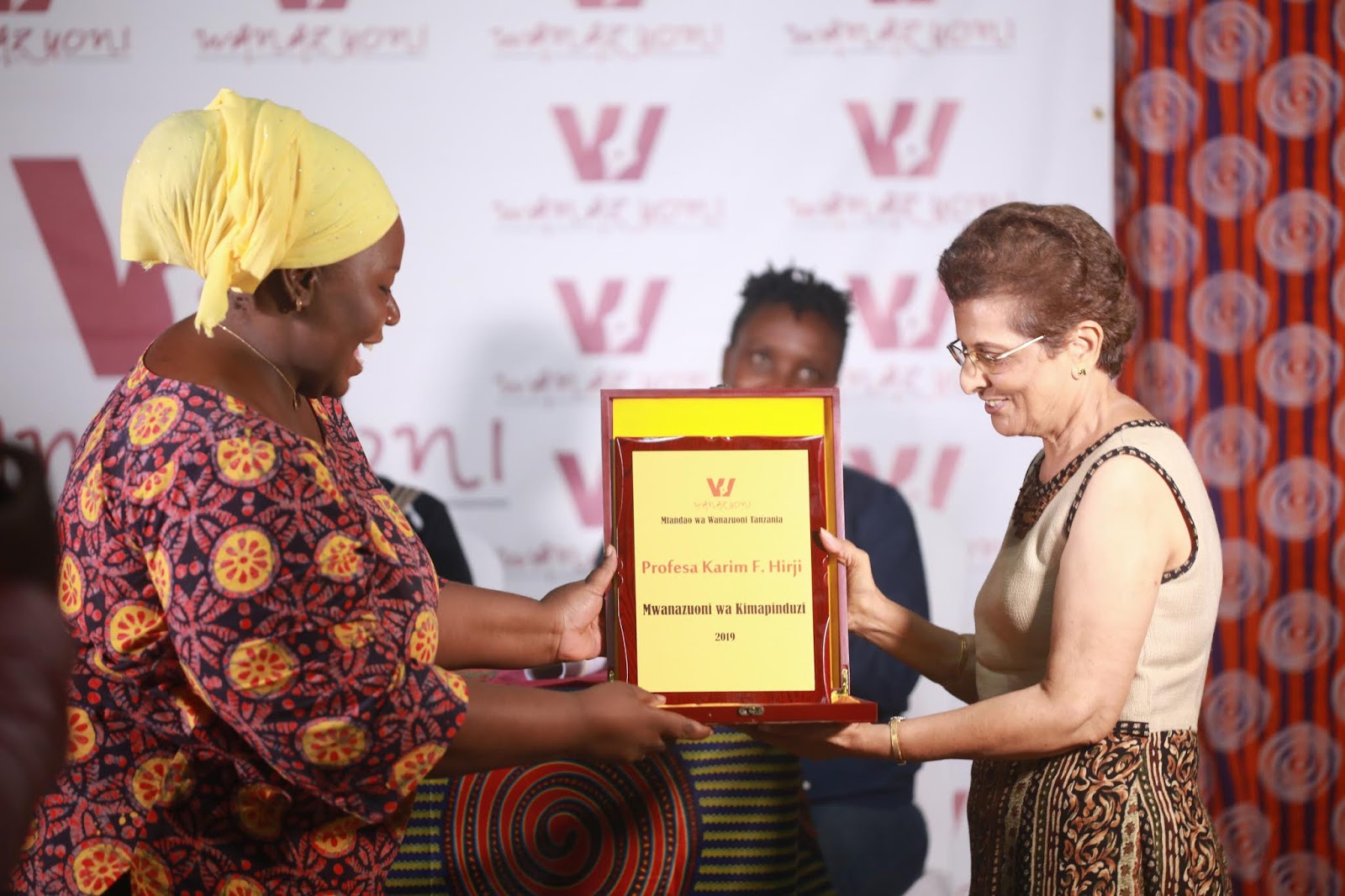
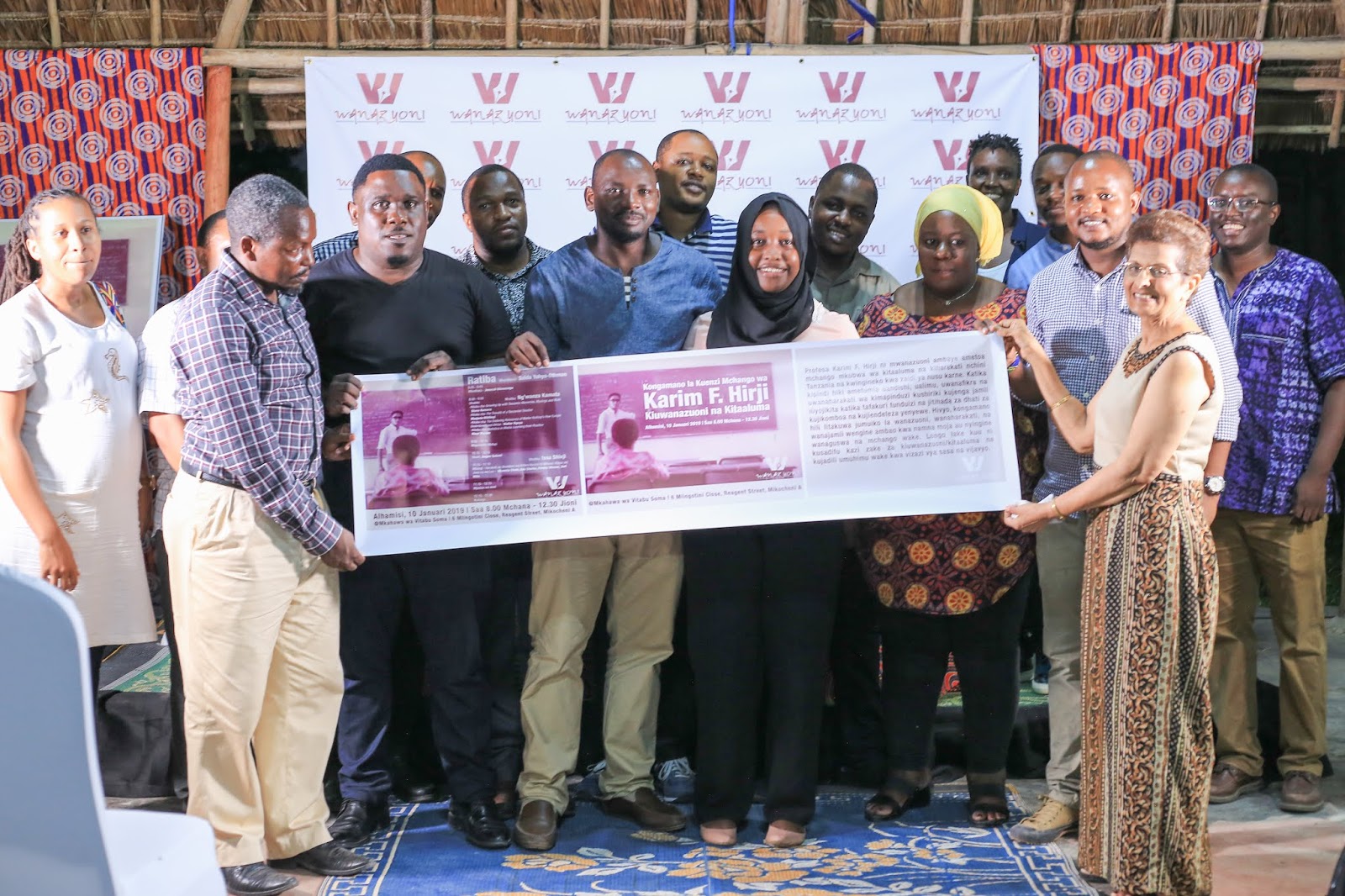
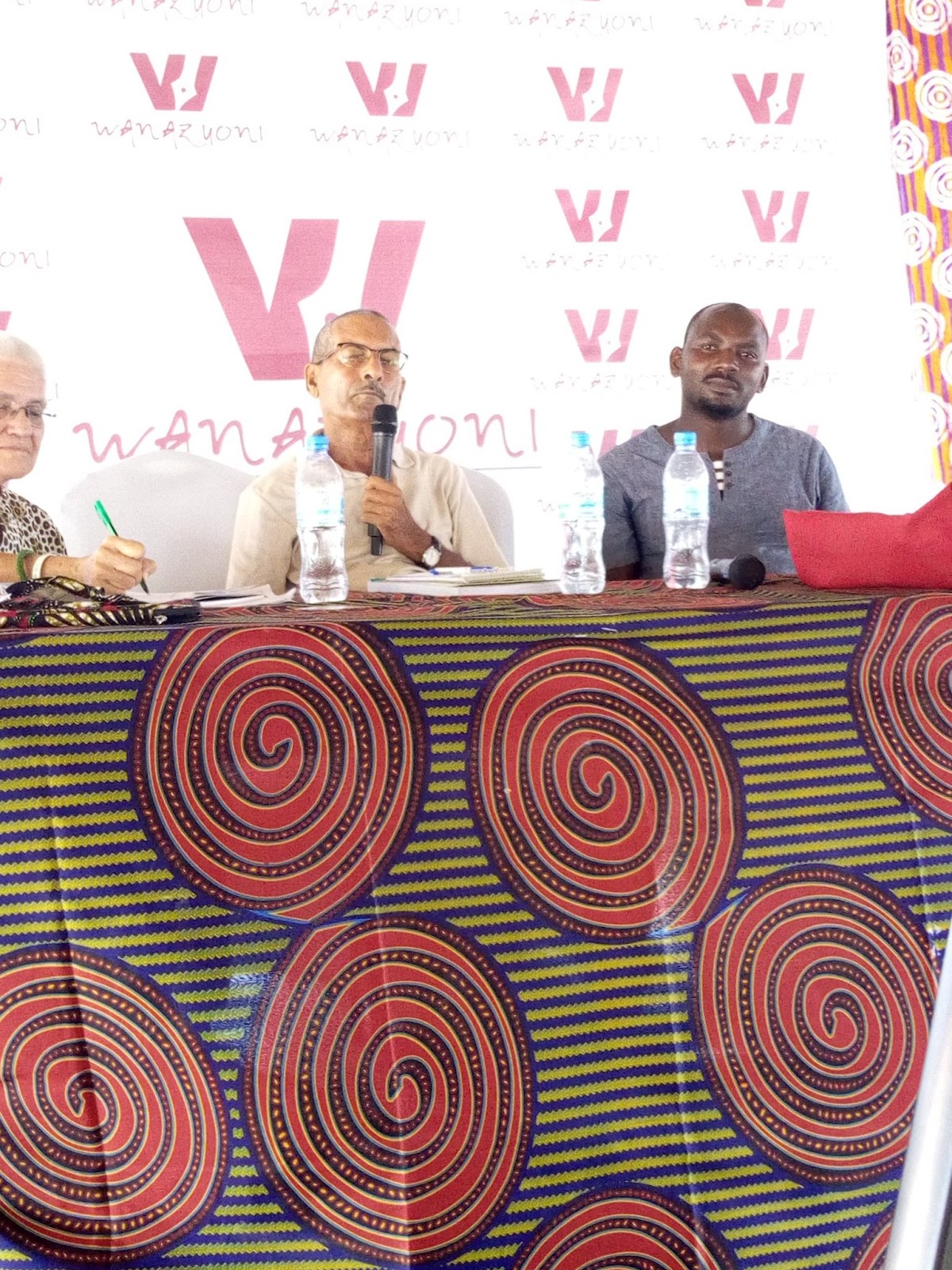
An informal network of Tanzania intellectual famously referring to itself as Wanazuoni(the intellectuals) brought together its members and general public in January to honor the Tanzanian scholar Prof. Karim Hirj, a retired Lecturer over his immense academic contribution through teachings at different universities within and outside the country.
It is worth to note here that it is very common in our society to notice and honor key persons contributions in various walks of lives after their demise, something that Wanazuoni are determined to break. One of the cofounders of Wanazuoni Dr. Chambi Chachage told this author that it was important to acknowledge and honor individuals’ key contribution in changing lives while they are still alive.

Dr. Chachage said that this was a step ahead for the intellectual members of the Wanazuoni network that primarily aims to share knowledge-based materials and information on scholarships and scholarly job opportunities as well as guidance on how to apply, etc. Honoring living scholars emerged as a key activity of Wanazuoni and more is to be expected in the future.
Prof. Hirji, a Tanzanian national of Asian origin, born in 1949 in Newala District, is a professor of Medical Statistics who has spent 40 years working in academia in Tanzania and abroad.
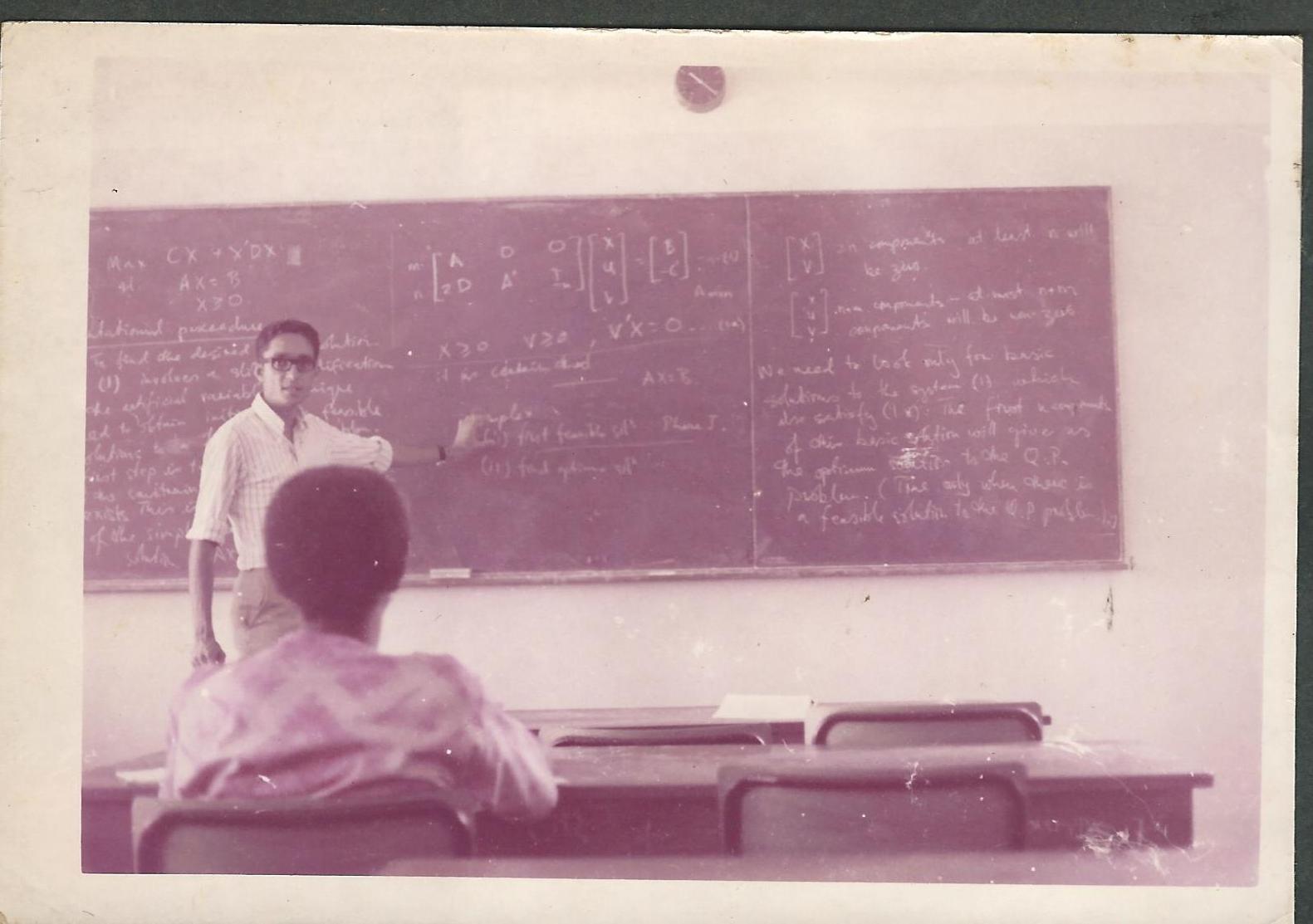
He started working at the University of Dar es salaam (UDSM) in 1972 as an assistant lecturer after completing his Masters degree in research statistics at the London School of Economics (LSE) in the UK, which he had joined after completing Bachelors of Science Degree in Mathematics and Education at UDSM.
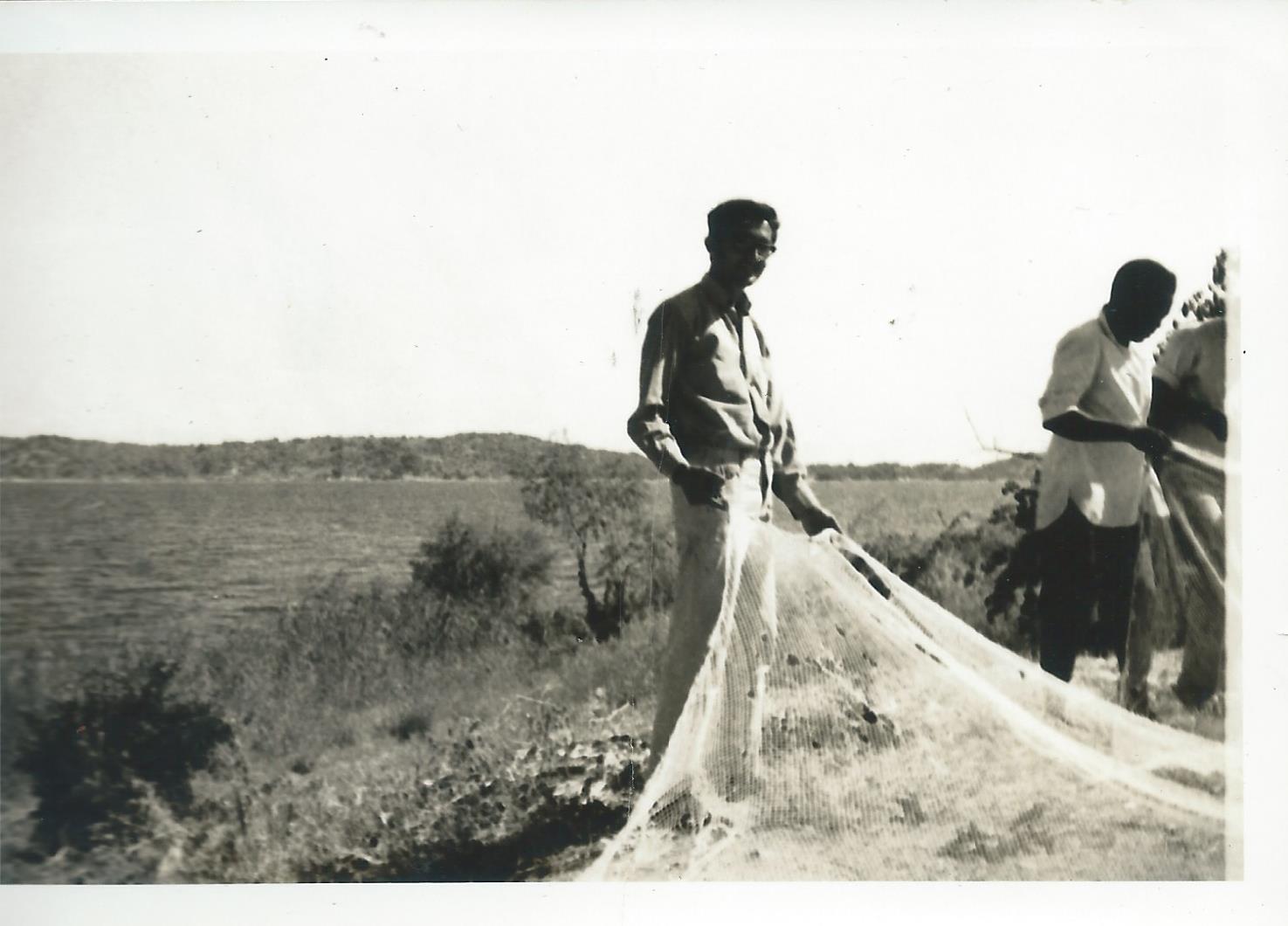
The patriotic Professor had to leave the teaching job in 1974 to become a planning officer at Sumbawanga District council Rukwa region, the role he assumed up to the year 1975 when he went back to teaching, this time at the National Institute of Transport (NIT) in Dar es Salaam.
His quest for knowledge stayed higher as in the year 1982 he was conferred with the second Masters degree in Biological Statistics (Biostatistics) from Harvard University in the USA. He taught Biostatistics as the Muhimbili University of Heath and Allied Sciences (MUHAS) until 2012.
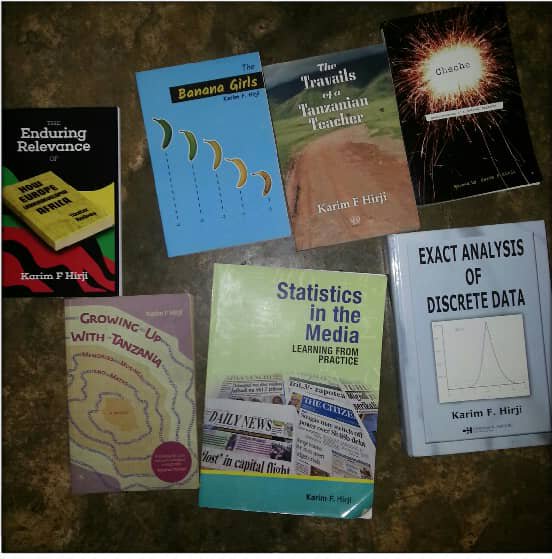
Like a knowledge baobab tree that produces fruits for the hungry, Prof Hirji has published over 120 books and other publications in the fields of Medical Statistics, politics, social sciences and the media.
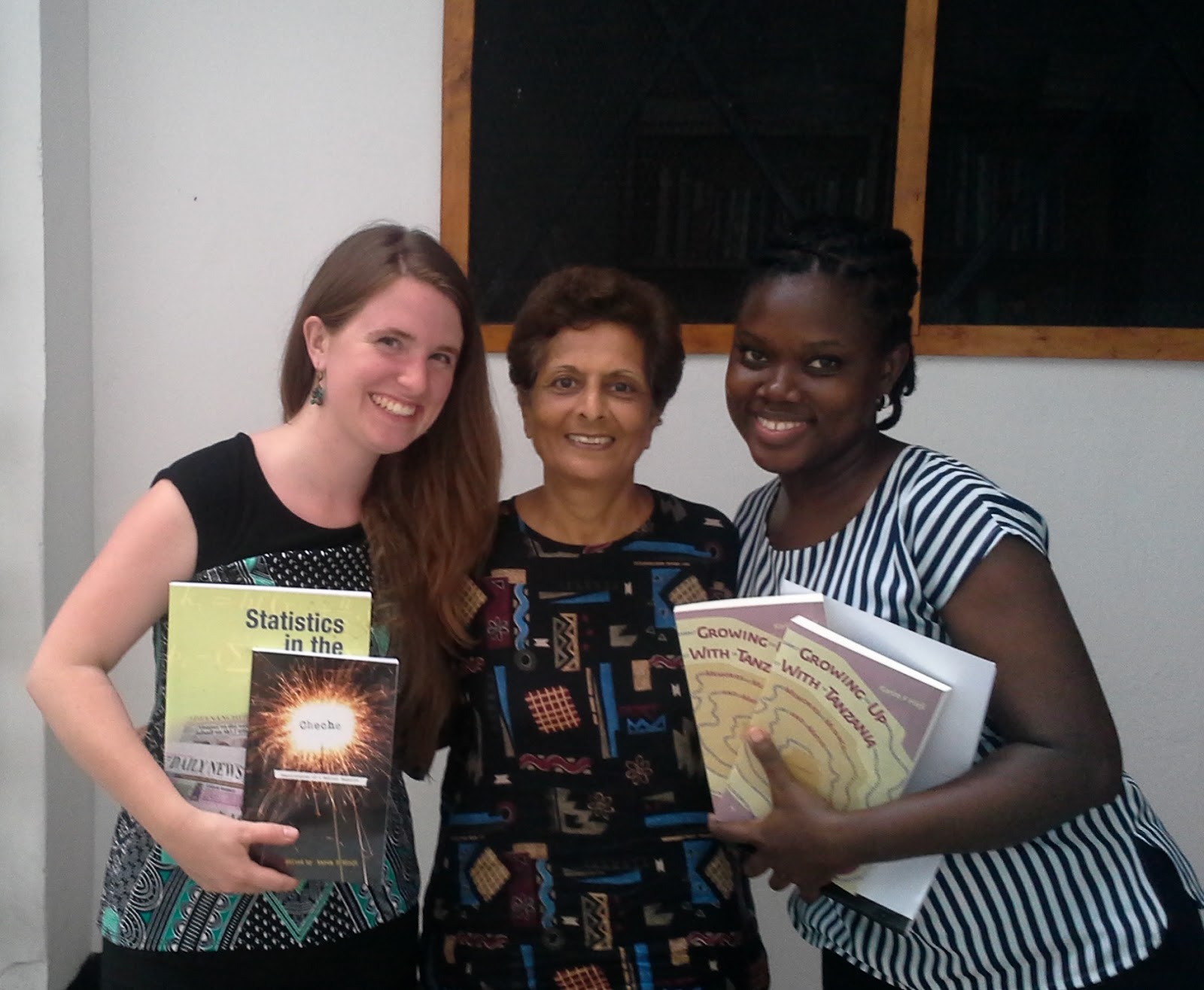
The book titled Statistics in the Media: Learning in Practice (2012) is described as one of the roadmap for journalistic clarity in reporting while adhering to data journalism.
“Although media is an important source of news, they can statistically mislead. We trust multinational media outlets like BBC or CNN, but they as well have been warned several times for misleading in their own countries, Hirji’s book on Media Statistics is a must read not only to Tanzanian journalists but also beyond” says Nizar Visram, a veteran journalist.
Visram added that Prof. Hirji’s book stimulates journalists’ brains to make them think creatively and deliver information that are accurate and attract audience to read even more.
Economic dependence is among the reasons that has led to misreporting in local media, according to Visram. He warns that statistics can be easily used for manipulative purposes to readers hence the relevance of Prof. Hirji’s book to journalism practitioners in the country and abroad.
Considering that Prof. Hirji was, professionally, both a biological and medical statistician, Visram uses his book to remind us of media deception that led many Tanzanians and foreign citizens to flock to the Loliondo District for a drink of what was believed to be a miraculous cure for healing all diseases i.e. the healing cup with its common Swahili name, Kikombe cha Babu (Old man’s cup).
Visram blames delayed government intervention as the media went on to report incorrect statistics on miraculously healed people, which deceived even more of them until when the Ministry of Health issued a press release warning that there were no scientific research proving the old man’s cup to be of significant medicinal value.
The veteran journalist concluded by calling concerned stakeholders to intervene and translate the book in Kiswahili so that it can be easily read and understood by different stakeholders and the society at large.
During his studentship at the UDSM, Prof, Hirji is recorded to have been among those on the front seat in fighting imperialism and other forms of exploitation in the Tanzanian community. He is as well remembered for his work as an editor of the then University based Cheche magazine that analyzed social, economic, and political situations within and outside the country. Prof. Hirji also embraced Mwalimu Julius Nyerere’s Ujamaa ideology, albeit critically, while facing and fighting post-colonial racism.
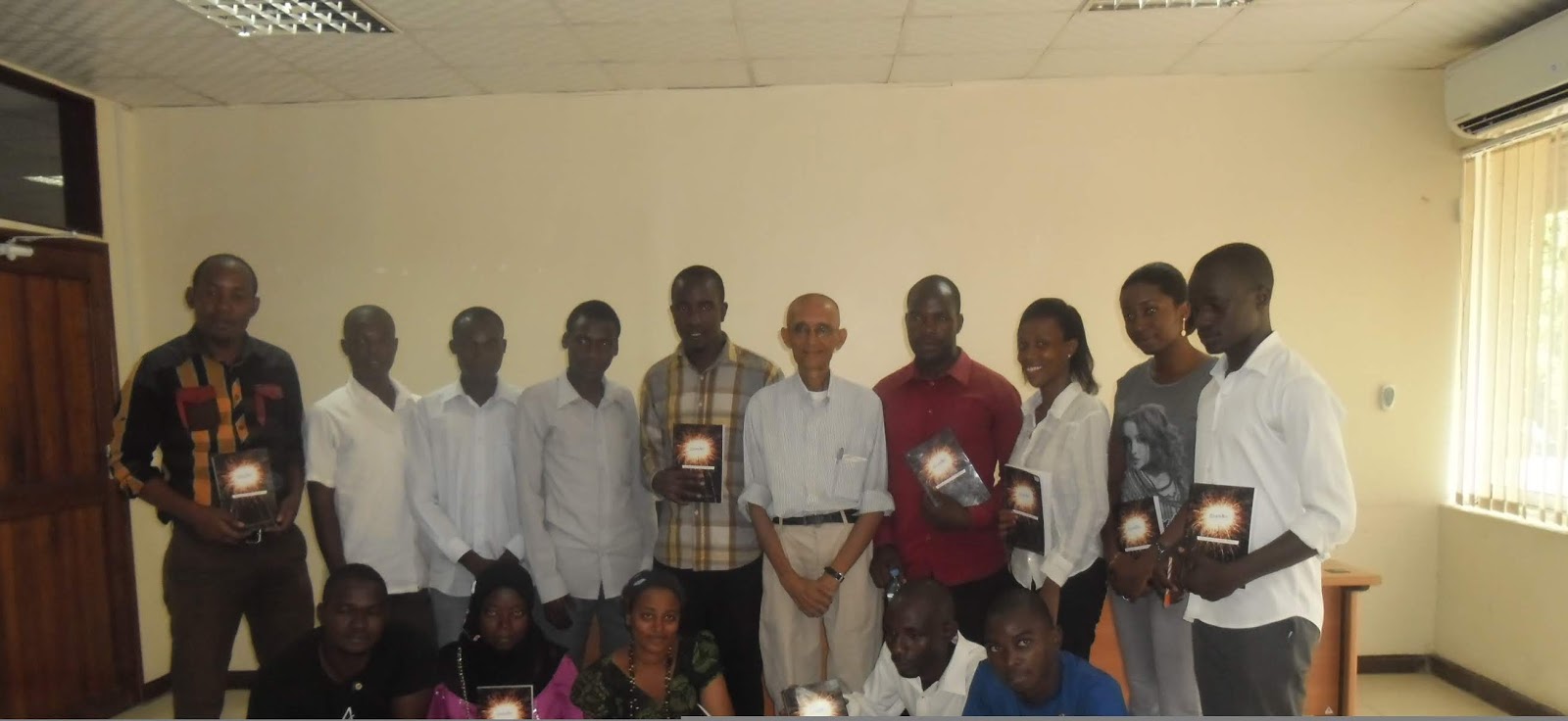
On behalf of his fellow Wanazuoni, Dr. Chachage asserts that honoring Prof. Hirji’s academic contribution will create awareness and motivate more people to read his work and meet him personally for consultation and earning more wisdom than doing it after he is nowhere to be found.
However, all might not be well with Prof. Hirji. As the keynote speaker noted in the event, at approximately the age of 70, he is bedridden and under special medical attention and very specific dietary observation. This is after retiring seven year ago from his role of lecturing at MUHAS.
His vast knowledge continues to be reaped and has benefited some other foreign universities and students abundantly. Some universities abroad that Prof. Hirji exported his knowledge to includes the University of California in Los Angeles (UCLA) and the University of California in San Francisco (UCSF), both located in the USA. His book on Exact Analysis of Discrete Data (2005) is widely read as a seminal contribution to Mathematical Statistics.
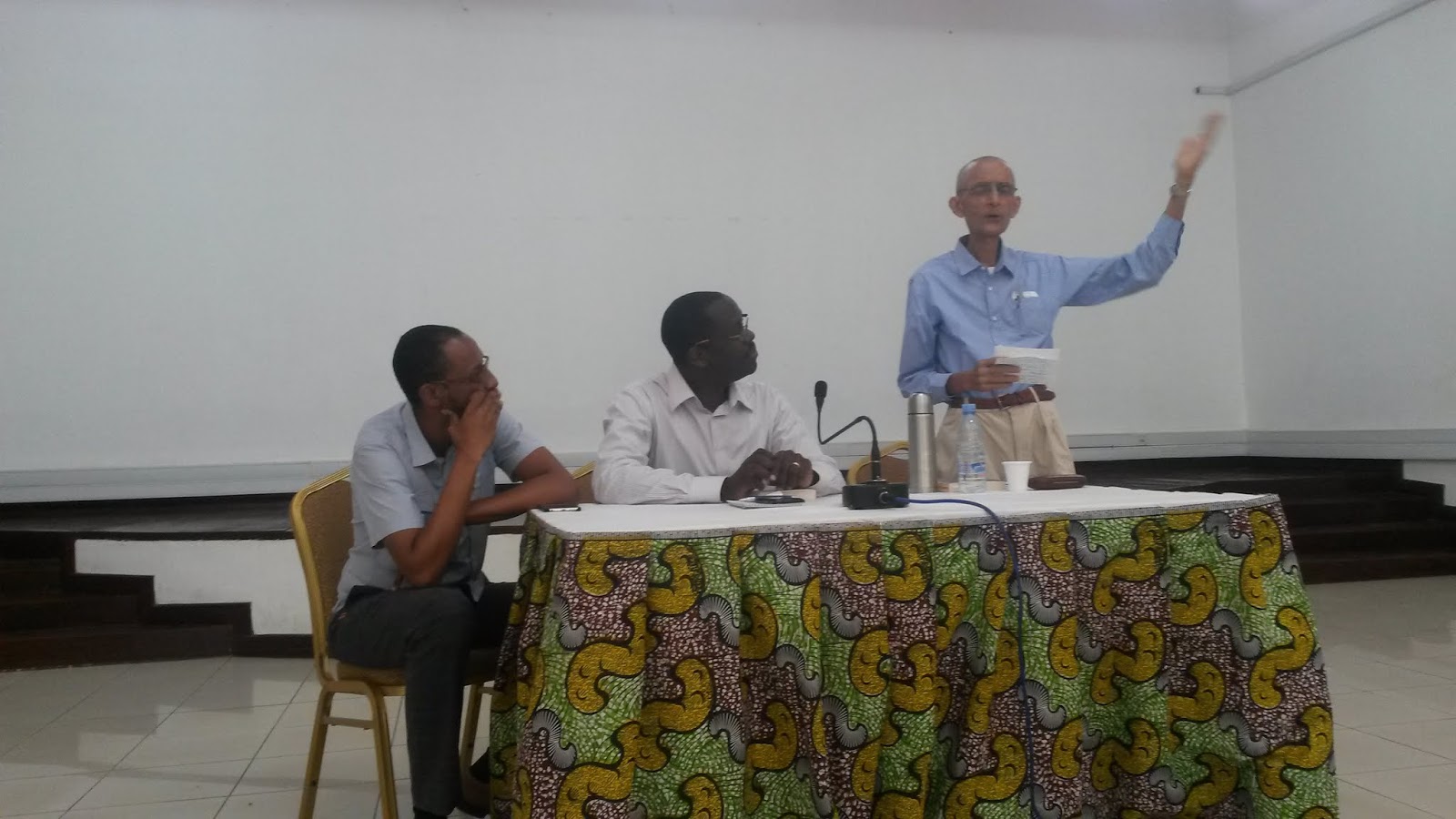
During his schooling at UDSM, Prof. Hirji was mentored by the likes of Walter Rodney alongside his brother in Law and a Law lecturer, Prof. Issa Shivji and Yoweri Museveni, among others. He is said to have mentored a lot of young people and shaping their thinking towards rational thinking. The fact that Wanazuoni gathered to honor his contribution attest to this generosity in sharing knowledge.