TANZANIA IS AT THE DAWN OF A CULTURAL AWAKENING: AN
IMPORTANT AND UNIQUE CULTURAL HERITAGE RESCUED
“Knowledge is at the heart of social and economic growth.
Knowledge relies heavily on shared cultural heritage and on openness to the
unknown. To that end, artists have a special role as social barometers, as
promoters of change and as repository of tradition…” – (Marina Galvani, ‘Tanzania Knowledge is at the heart of
development’—A letter from the head curator of the World Bank art program to the
National Arts Council)
They
say “a journey of a thousand miles begin with a single step”. The initiative to
rescuea piece of
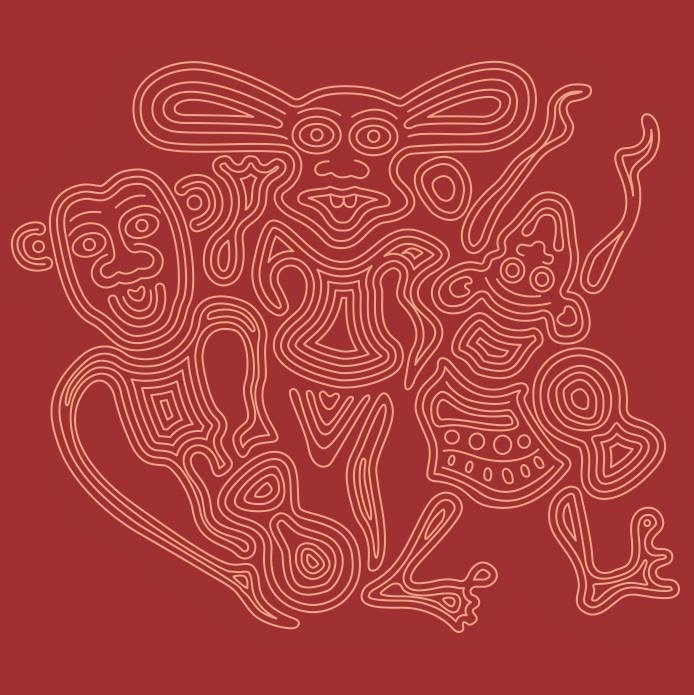
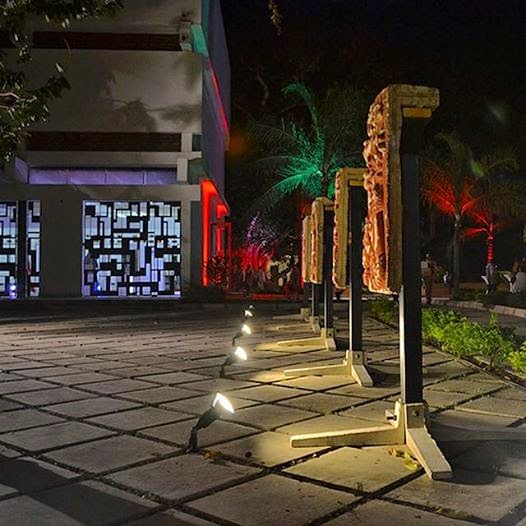
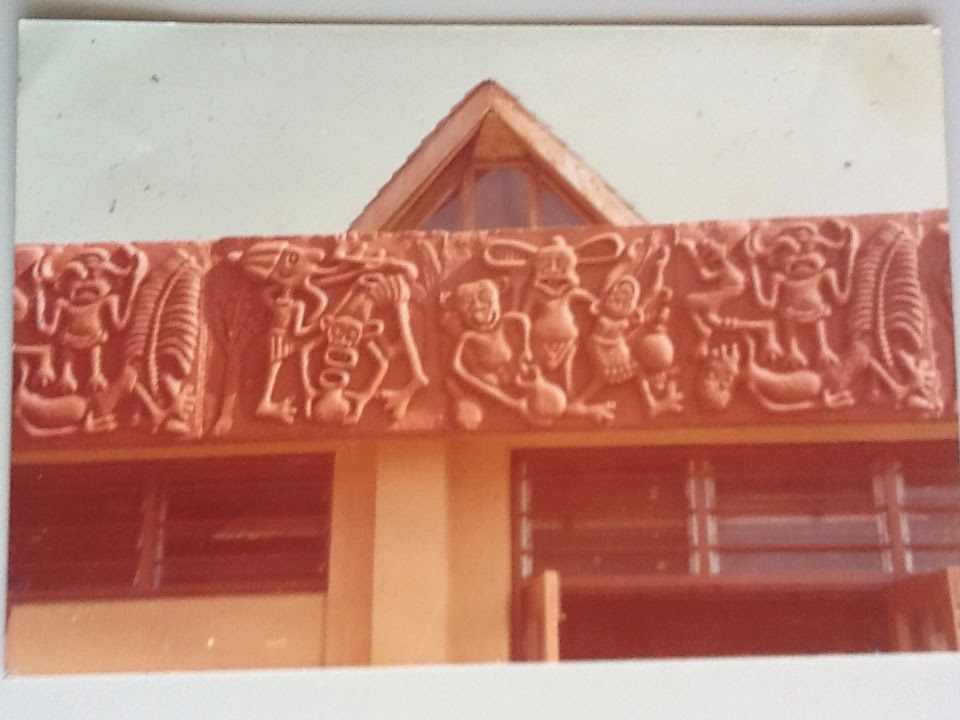
Tanzania’s cultural heritage,the late George Lilanga’s stucco portico and Shetani gates that graced
the entrance to Nyumba ya Sanaa (Swahili for ‘House of Art’), is evidence for one of the many first steps that the
Tanzanian public seem to (of late) be taking towards its journey to a cultural
awakening.
Until
very recently, and despite its attempt to develop a comprehensive cultural
policy (Sera ya Utamaduni—1997) with specific strategies for art promotion
(visual art included), Tanzania remained one of the least developed visual art
scenes amongst developing countries with a rather rudimentary sense of art
appreciation. Tanzanian art and artists have also been, generally, the least
(re)presented in major hubs for contemporary art—like art biennales, major
exhibitions, art fairs, etc.—internationally and including the ones that take
place on the continent. This ‘underperformance’ in the field is, arguably, one
of the manifestations of the extent to which there is a gap between the
Cultural Policy as a ‘statement of intent’ and its implementation; and a reflection of the fact that the great majority of creative and cultural productions in Tanzania had for the longest time taken place in an environment in which there is little or no coherent strategy for investment in education and training.
Visual
art has for the longest time been, to most Tanzanians, considered as a craft—a
mere hobby that just about anyone could learn. And not surprising, considering
the fact that it is not until university level that art is (seriously) taught
as a subject—in lower
levels, elements of art skills are integrated in vocational skills subject,
which teachers complain they have no skills to teach and therefore chances for
a few gifted children with parents who appreciate art happen in a few circles
and outside the schools. It is, perhaps, for this reason that
there had been an absence of
the necessary policies that would secure the art sector, and its development,
as beneficial and sustainable activity.
place in class structure—I include myself in this ‘we’ here because I am too
working from within the country both as a visual artist and as the artistic
manager responsible for designing and running most of Nafasi Art Space
programs—the only existing contemporary art space in the country. Working with
our hands and consuming a great amount of time and materials creating objects,
we are laborers… laborers to a culture whose community we some day hope to see
evolve to love and appreciate art. The discomfort that I, as Tanzanian
artist, associate with laboring for my art somehow gets pushed further and
further away and the labor starts to feel more worth it when I see Tanzanian
art beginning to gain recognition as our society starts to appreciate art more and more these days. This could, perhaps, be a result of the exposure brought about by projects and events initiated and/or supported by spaces like Alliance Française, Goethe Institute Tanzania, and the likes; as well as personal initiatives that provide workshops, trainings, exchanges, exhibitions and other public involving events and activities offered by art practitioners and professionals through various NGOs and arts networks – the likes of Nafasi Art Space.
Long before any of these initiatives ever existed, the
late ‘Baba wa Taifa’ (Father of the Nation) Mwalimu Julius Kambarage Nyerere established
Nyumba ya Sanaa in 1974, positioning it in the middle of Dar es Salaam to
ensure sustainability of art, and to create opportunities for artists to
produce and survive on their own. He believed that if it could be efficiently
utilized, it would reduce the artists’ begging
syndrome to donors and the state, which enslaves them. Nyumba ya Sanaa was for the longest time, the leading center for art in Dar es Salaam and was responsible for some very big names
in Tanzanian visual art like Robino Ntila, Augustino Malaba, Francis Imanjama, Evarist
Chikawe… just to mention a few.

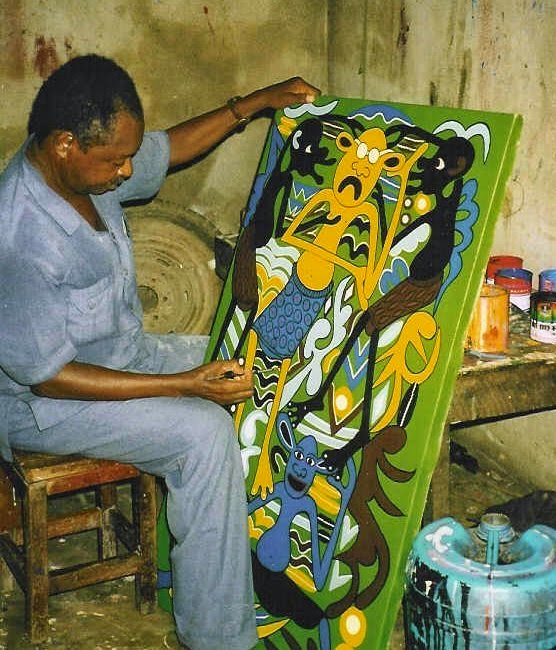
The late George Lilanga, one of the most famous and internationally acclaimed Tanzanian
artists, a visual art giant in his own right, began his career at Nyumba ya
Sanaa and went on to become a major representatives in the field to the point
where his paintings and sculptures are often featured on the cover of many
reference books dealing with the subject. His works have travelled the world
and even form a part of several museums and private permanent collection (e.g.
the Jean Pigozzi collection). He was an all rounded artist who succeeded in
using a distinctive traditional imaginary and, by bringing in his own visual
language in the creation of his works, making of it an art of universal appeal.
His sculptures, reliefs and paintings have been the (un)conscious inspiration
for many artists in the world and mostly in Europe—as many would attribute to
African traditional art as inspiration for the modernist movement with Picasso
and Cezanne, Lilanga is an icon, representing Tanzania, of the kind of creativity
and originality that sparks from Africa to ignite the world.
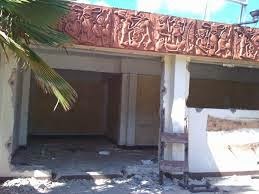
It is
quite unfortunate and rather saddening that after his death and, later, the
demolition and relocation of Nyumba ya Sanaa to its new premises where it
largely suspended its role as a cultural center, the late Lilanga’s stucco
portico and Shetani gates that he created for the entrance to (and as face of)
Nyumba ya Sanaa—one of the emblematic symbols of Dar es Salaam and the only
venture of the artist into monumental/mural art—had been dismantled and was in
danger of being destroyed.
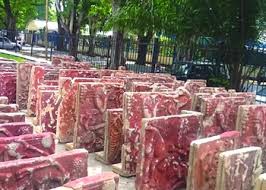
At the moment, this unique heritage has been
catalogued and is being preserved at the National House of Culture. This is after
some of it was removed from the new Nyumba ya Sanaa premise and the rest of it was
rescued from the port just as it was about to get shipped off to Germany after
being sold off for 50USD per piece under Nyumba ya Sanaa’s authority. Efforts
are now under way to preserve the portico as a centerpiece of a living cultural
space, to be restored within the National House of Culture.
The National
House of Culture is alleged to, at the moment, be facing a resource crunch to
an extent that it is forced to overcharge the rate for its exhibition halls, so
much that most artists are not even able to afford showing their works there, and to rent out some of its acreage to weddings and other non-art related
events. With this harsh reality, there is no telling what the fate of this
unique heritage will be, but, through public mobilization there has, so far, been
willingness for collaboration and support (financial and otherwise) from a
number of Tanzanian creatives, public and private organizations to ensure that plans
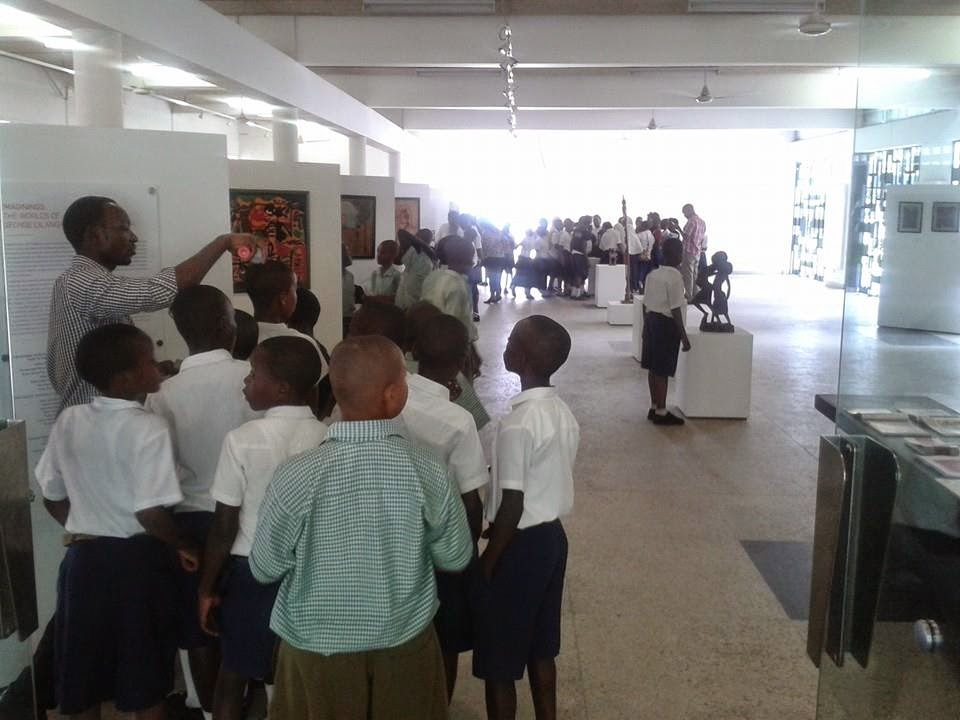
are underway for the National House of Culture to transform the museum’s inner
courtyard into a Lilanga courtyard—a space for art education and creative
exchanges. This will not only raise the late Lilanga’s profile and legacy (which
seems to be carried with the highest regard everywhere else but not so much in
his own country) in particular, but also modern and contemporary Tanzanian
art in general. More and more people are showing interest to fundraise and join
hands to show how much this cultural heritage deserves to be cherished and
protected as a way to support knowledge creation and preservation.
In many
countries, the development and success in the visual art field is partly made
possibly by support from the government, but largely carried by supporters, sponsors,
collectors, etc. from within the community itself. As a Tanzanian artist, I
find the fact that the Tanzanian public is beginning to care for the fate of
visual art (as demonstrated by this initiative) and are beginning to be at the front row
in the steering of the development of the sector very encouraging. It is
evidence that Tanzania is at the dawn of a ‘cultural awakening’. How long this
‘awakening’ will continue to spread is debatable, but the feeling so far is
that there is no going back. The genie, finally, is out of the bottle!