

On Prospective and Retroactive Voting in Tanzania
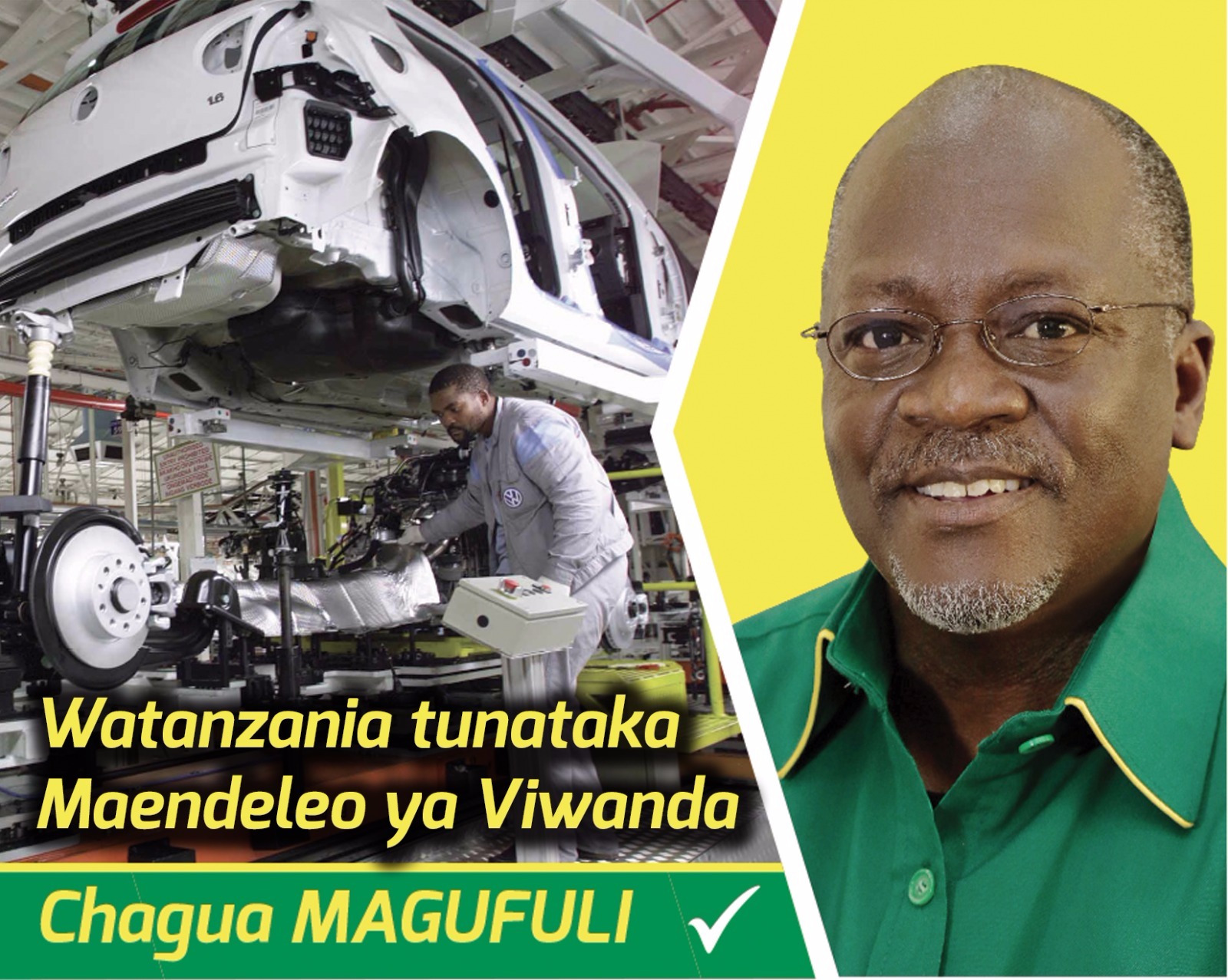
The slogan ‘Lowassa kwanza, viwanda baadaye’ (which of course could just as easily read ‘Fukuza CCM kwanza, viwanda baadaye’) recalls ideas of ‘retrospective voting’ in political science.
Bernard Manin in his (very good) bookThe Principles of Representative Government distinguishes between ‘prospective’ and ‘retrospective’ voting, which refer to two different possible mechanisms whereby we (as voters) are able to hold our elected representatives to account. Manin argues that only ‘retrospective’ voting could actually work as a mechanism for enforcing accountability. Here’s why.
If we think of voting as ‘prospective’, the idea is that we are voting for the candidates/party who we feel articulate the best policies and who we think will perform to our liking once in office. The problem here is that candidates can then promise anything and everything (e.g. they can all just promise ‘mabadiliko’, however defined). Once in office, nothing actually compels these freshly elected representatives to remain true to their campaign promises. The voters have already given them their votes (prospectively); they have no further power to hold their representatives to account.
Manin goes on to argue that the only accountability mechanism that can (logically at least) work as a basis for influencing representatives’ actions operates via ‘retrospective’ voting, i.e. voting on the record of the incumbent. If elected representatives know/expect that voters will judge them based on how they perform in office, if these representatives anticipate that by going against the desires of the electorate, they will get booted out at the next election, then these same representatives will begin to amend their behaviour to better suit what they believe the electorate wants (and not just offer up cheap promises). The trick is, representatives have to really believe/anticipate that voters will judge them on their record (and not simply continue to give them their vote out of ‘loyalty to the party’ or whatever).
Now the whole prospective/retrospective thing has spawned a pretty big debate (and there are certainly grounds for questioning Manin’s analysis). But on a basic level, what Manin’s theory suggests about the upcoming elections (as I read it anyway) is that there is certainly a distinct logic to voting against CCM (even if one doesn’t have complete faith in Ukawa as a replacement). The idea would be to show that what representatives do while in power matters, and that the electorate will punish them for going astray.
By forcing a handover in Tanzania, this would encourage politicians (from both CCM and Ukawa) to begin anticipating more keenly how the electorate will respond to their actions while in office. That anticipation then becomes the mechanism by which voters are empowered to hold their representatives to account.
I don’t mean this as an endorsement of either CCM or Ukawa. I’m just giving a more long winded/jargon-filled analysis of what [the epigraph above] already put so succinctly.
—
*This post is a response to a debate that Aikande Kwayu’s blogpost has triggered in Wanazuoni’s listserv.

Michaela Collord's comments on "Prospective and Retroactive Voting" has opened my mind in understanding voters' behavior. It would appear therefore voters in 2015 are using "retroactive" judgement, which I had failed to take into account when I posted my piece of "club effect" syndrome in determining voter behavior. I had argued it is this syndrome that will save CCM in this year's general election. In any case I am sure social scientists have an opportunity to keep analyzing the behavior of Tanzania's votes. Mzee Lunogelo