

By Laeticia Mukurasi
As we celebrate the silver jubilee of the Beijing Declaration, the question which keeps popping up is: Why does gender inequality persist? Why is this the case in spite of concerted development interventions? In every development sector for which data is available, why do women generally continue to lag behind men?
Based on my own work experience in the last 25 years as well as findings from numerous reports, this article focuses on how gender is treated in development interventions. It particularly looks at how women, as a sex category, are visualized in the design of many development projects. The discussion will show how development work imbue a bureaucratic imposed disadvantage.
Development projects are important for two reasons. First, they constitute important mechanisms through which considerable financial investments are channeled with the objective of effecting changes in particular sectors or areas. Second, project activities impact on gender equality.
It is estimated that in Africa women comprise 60 per cent of informal sector operators, contribute about 70 per cent of total agricultural labour, and produce 90 per cent of the continent’s food. However, they own less than 1 per cent of the African continent’s landmass, receive less than 10 per cent of the credit to small farmers, and 1 per cent of the total credit to agriculture. The question is how have women been structured as participants and beneficiaries of development projects?
The evidence available suggests that the design of many projects tend to ignore gender analysis – defined as the systematic assessment of potential project impact on women and men, respectively. It entails the application of a gender perspective to a development issue including the gender division of labour, the needs, interests and priorities of women and men, and opportunities and constraints to the achievement of development objectives.
In many development project documents, women appear to come in by accident or as an afterthought. It is not uncommon that in a 50-100 project document, the so-called gender analysis is enclaved in one token paragraph or peppered with words “women” and “gender”. Sometimes much effort is devoted to simply describing the problems confronting women as a sex category without paying attention to gender relations of power, privilege, and (dis)advantage.
Lacking, in most cases is a comprehensive analysis of the situation, position, and responsibilities of women and men vis-à-vis the identified sector or theme. When gender analysis is not carried out during the design stage, gender-needs, interests, and differences are not captured. There is therefore little possibility for these issues to be addressed during project implementation. Since the human dimension is central to development, the lack of gender analysis not only jeopardizes putting in place measures that would lead to gender equality, but also the development effectiveness of projects is also compromised.
Experience also shows that gender disaggregated baseline data is not always available. Baseline information is important for clarifying assumptions about social structure, gender relations, culture, and the sector or the project area. Gender is contextual and the gender aspects of particular communities cannot be assumed. Without proper diagnosis of gender relations and how these impacts or are impacted by development interventions, the basis for investment decisions can only be shaky.
Many projects fail to generate the requisite development impact because they are based on assumptions and stereotypes and not on real experiences of men and women. The lack of gender disaggregated data undermines the project’s relevance, strategic importance, and weakens its significance for policy advocacy. In any event, unless baseline studies are conducted prior to project implementation, progress cannot be established. Nor comparisons made between the pre- and post-project situation. Thus, baseline information is again a strong foundation on which the effectiveness of the project can be gauged.
The absence of gender analysis and gender disaggregated data often result in projects that have little bearing on women’s and men’s needs, priorities, and livelihood strategies. For example, it is well known that women in rural Africa are not only major producers of food, but also significant contributors to cash crop production. In addition to production, women shoulder the burden of unpaid labour. They cook, clean, wash, provide care to sick children and elderly relatives. Women also provide homecare for chronically sick members of the household, perform sanitation activities, grind food, and fetch water and firewood.
However, the portrayal of women in many project documents is usually not that of vibrant bread earners, economic actors, and movers and shakers in the rural scene. Nor is it of women as powerful, resourceful, industrious, entrepreneurial, and innovative. Rather, the imagery that prevails is of women as vulnerable,victims, poor, wards or dependents of men and passive beneficiaries of development assistance. In many reports from statistical bureaus in Africa, women farmers are labelled as “unpaid family helpers”, a classification system which is not well suited to the African context. It is very difficult for any rational investor to squander his/her resources on such a pathetic group. Women are the main actors in agriculture in most parts of Africa and should either be treated as partners of their husbands, or, be classified in the same status in employment category, i.e. as “own account workers”
While women may, in some contexts, be responsible for contributing to household expenditure, such as school fees and kerosene, resources targeted to them are usually miniscule and mainly executed in pilot projects. The most important role for women that endures is that of mothers with childbearing and rearing responsibilities depicted as the most effective contribution they make to economic development. Many of the projects with sizeable resources focus mainly on family planning services, health measures against malnutrition, and lately education with minimal resources targeted towards economic sectors.
Development projects can therefore be tools for imposing what is termed bureaucratic imposed disadvantage, defined as forms of disadvantage that have nothing to do with the actual reality of women’s lives but are a product of biases, prejudices or ignorance of officials delivering development resources.
Regrettably, the conceptualization of women in most projects is changing only very slowly. Rarely do projects mention the redistribution of power and resources between women and men as the main goal or objective. The understanding of gender mainstreaming as an agenda setting strategy in which a women’s perspective should be integral part of the design, implementation, monitoring, and evaluation of all activities is only permeating very slowly. As such, women and women issues continue to be handled within the existing male biased paradigm. Gender mainstreaming has not, in the last 30 years, significantly impacted on the way development interventions are conceived, planned, and executed.
By their very nature, projects focus on a limited number of activities aimed at bringing about clearly specified objectives within a defined time-period and with defined material, financial, and human resources. Women’s work tends to be multi-dimensional and the needs arising thereof are not best addressed from a conventional project perspective. To benefit women, the design of a project to promote food security, for example, would require taking into account women’s work burdens and their time poverty. It should address the complexity of women’s lives arising out of their multiple activities in production, reproduction, and community management.
Important activities, such as gender sensitization of male policy implementors to promote a more equitable division of labour, appointment of culturally appropriate extension personnel, day-care facilities, time-saving technology, appropriate infrastructure, like water and clean sources of energy, feeder roads and footpaths as well as marketing structures, would have to be taken on board. Promoting gender equality therefore requires more creative ways of designing development projects. It cannot be business as usual.
The failure to put such measures in place also results in projects that strain an already overloaded capacity on the part of women. This has been identified as instrumentalization of women, where in the interest of development, women have to contort themselves to fit into stereotypical and unequal life positions. This is often to the detriment of their health and well-being. In her article, Does Aid Work? Can it Work Better? Crucial Questions on the Road to Accra and Doha, Molly Kane narrates her experience of her first visit to West Africa a little over ten years ago and comments on how women perceive their instrumentalization for development:
“I was with a colleague from Canada visiting projects for women in northern Mali. One afternoon, we were touring a market garden run by the local women’s association. The community leaders explained the benefits of the project, how the women had some additional income to look after family needs and family nutrition had improved. After admiring the vegetable plots, I asked one of the women what the project meant to her. She said, with a somewhat ironic smile, “We are working an even longer day now. We don’t need any more of these gender and development projects. We women need a break.”
To conclude, for development projects to benefit women, the following design features are critical: first, the achievement of gender equality has to be stated as one of the project goals and objectives. The goal could be the attainment of economic, political or social power. Second, an analysis of the situation of women and men in the project area must be conducted to determine the gender division of labour, of power, of access to and control of resources such as land and credit. The analysis must be accompanied by gender/sex-disaggregated data. Third, the gender dimensions to be addressed must be relevant to each sector. Fourth, the document should contain evidence of the voices and issues raised by local women and men and how these have influenced the project design. Fifth, there should be a gender strategy to ensure equality of access to, and control and ownership of, benefits. Sixth, monitoring indicators for gender equality results must be clearly stated; and last, but not least, the actions to be implemented must be supported by an adequate budget.
About the Author
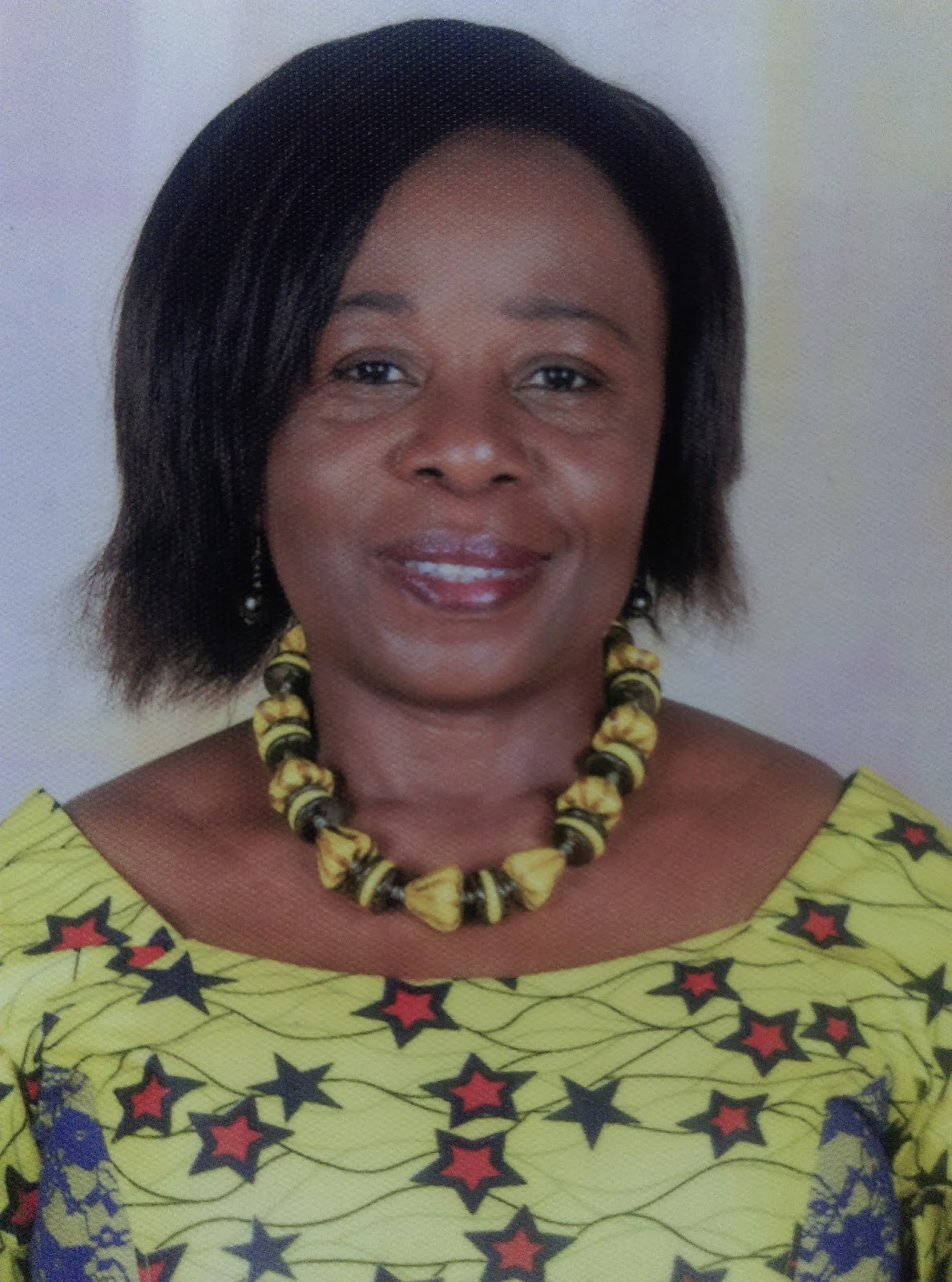
Laeticia Mukurasi
Cell phone: +255 788 800 106
E-mail: letticornelius@gmail.com
Facebook: laeticia mukurasi
Website https://laeticiamukurasi.co.uk
