
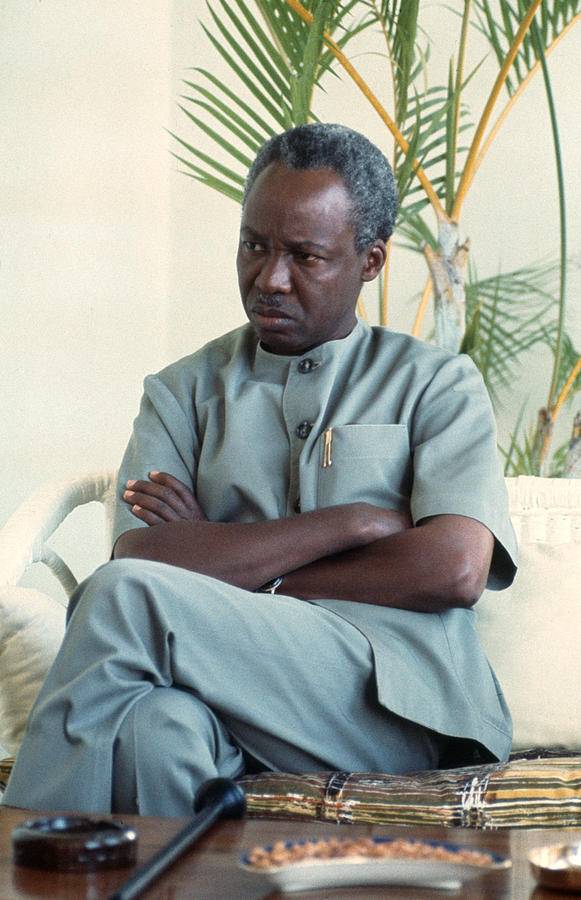
What would Mwalimu Nyerere do? Barely a fortnight after commemorating Nyerere Day, the government of Tanzania is about to host the King of Morocco. This is a glaring foreign policy shift from a country that is known for supporting liberation struggles.
Tanzania’s solid stance against Morroco’s colonial occupation of Western Sahara was inculcated in our consciousness as we grew up in the twilight of Mwalimu Nyerere’s regime. I still remember how Willy Gamba, a character in a popular novel, Njama, that the late Aristablus Elvis Musiba published in 1981, moved us when he thus described another tough character known as Veronica Amadu:
Two years earlier, in 1979, Mwalimu Nyerere was among the then Organisation of African Unity’s (OAU) “wise” leaders who met in Monrovia to seek an an end to the war. However, the then King of Morocco boycotted. Nevertheless, they “unanimously called for Morocco to call a cease-fire and withdraw from the disputed area.”
A confidential briefing in the US thus captured our clear stance:
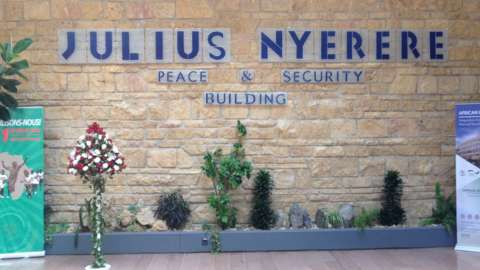
The briefing also observed that Tanzania viewed Morocco as the chief impediment to the resolution. It also noted that Mwalimu Nyerere was committed to persuade the King. Yet it concluded:
In 1982 the ‘West Sahara Question’ almost led to the breakup of the OAU. Tanzania came up with a compromise that saved the day. Colin Legum thus documented the process: “The plan, crafted in three months of difficult diplomacy led by Tanzanian President Julius Nyerere, calls for Polisario guerrillas to stay away from an OAU summit scheduled for Nov. 23. This gives Morocco, which now rules the Western Sahara, a temporary diplomatic victory. But the compromise also requires Morocco to agree to a referendum to determine the wishes of Western Sahara’s inhabitants.”
Despite all these diplomatic efforts, Morocco quit the OAU in 1984 immediately after Mwalimu Nyerere was elected the chair of OAU. Mobutu’s then Zaire supported it. According to Clifford D. May of the New York Times, Nyerere “made no comment”. He must have been so disappointed because of the failure to resolve the question.
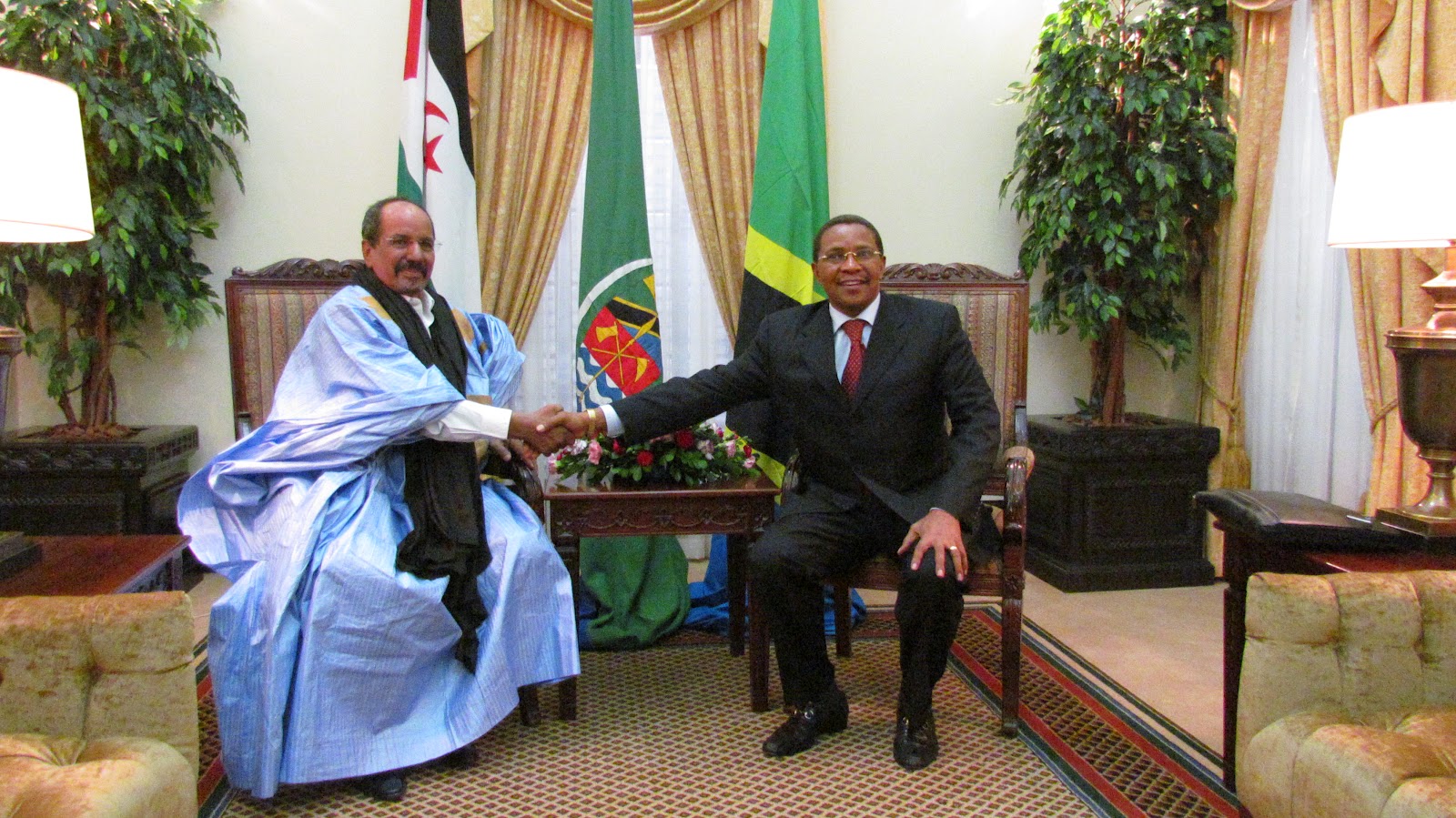
It is thus ironic that now Mwalimu Nyerere is long gone, Tanzania is embracing Morocco and abandoning Western Sahara. Although they signed a cease-fire agreement in 1991, the question remains unresolved. One only needs to compare this conclusion to a speech the Tanzania’s former Minister of Foreign Affairs, Bernard Membe, delivered to the Parliament in 2013 with our current dispensation:
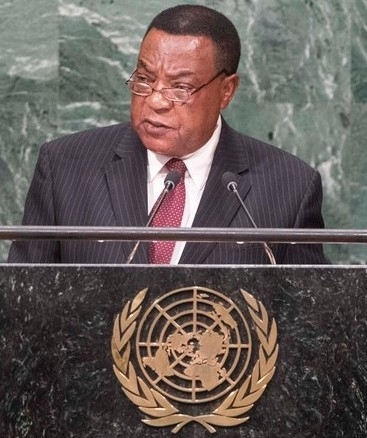
Membe’s successor, Dr. Augustine Mahiga, seems more interested in Tanzania pending investment agreements with Morocco of about two billion US dollars. After his UN speech on behalf of President Magufuli which called for the decolonization of Western Sahara, he is now preoccupied with how much we can get out of 150 or so Moroccan delegates. His press statement of October 20th is quoted in a government newspaper, Daily News, as saying: “We welcome them and we have no reason of not endorsing our support”.
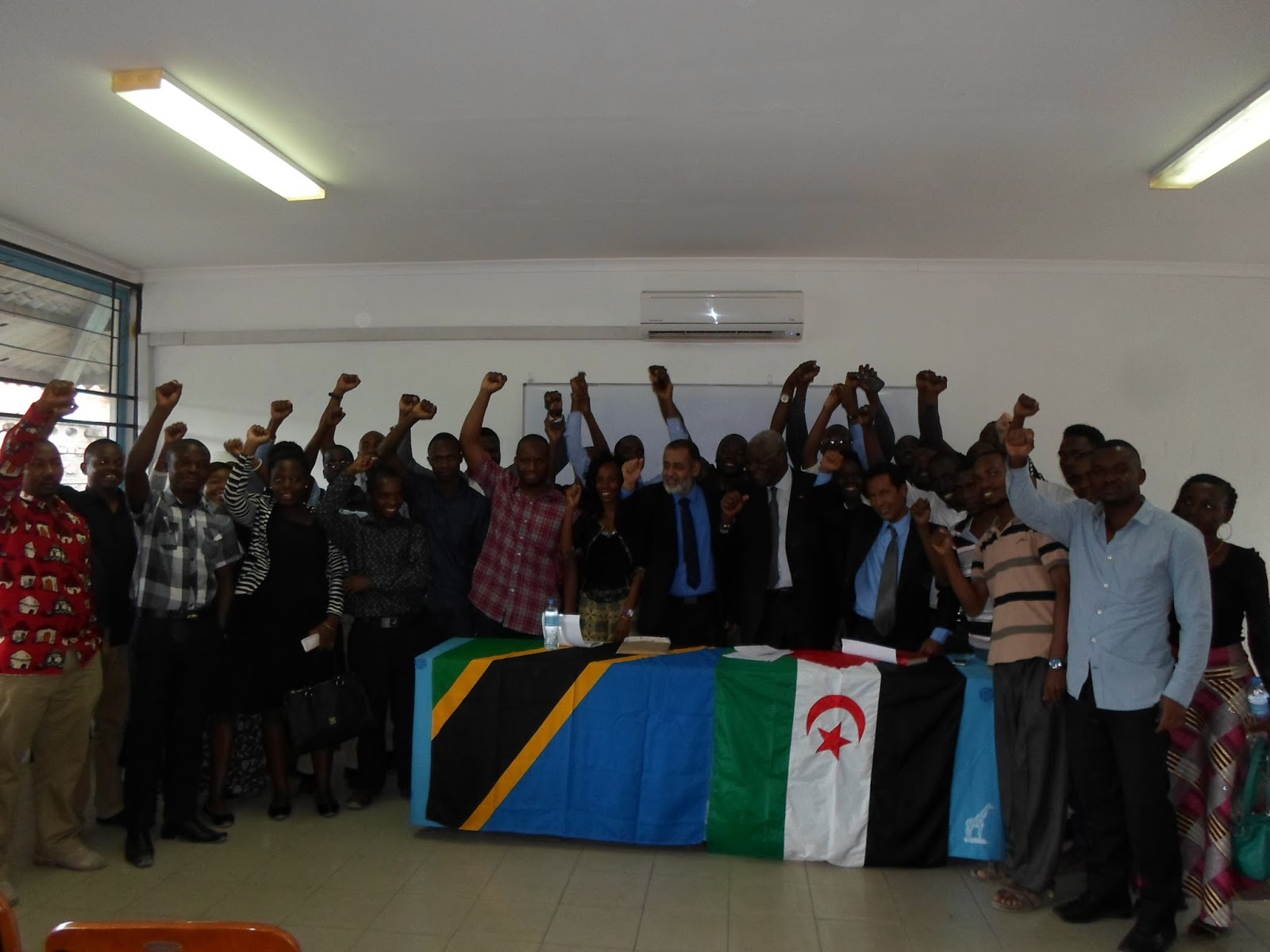
Little wonder the leader of the ACT-Wazalendo, Zitto Kabwe, is convinced that Morocco is lobbying Tanzania as it attempts to ensure that SADR is kicked out of the African Union (AU) to pave the way for Morocco. His fledgling party has issued a statement, seeking some clarifications and asserting its would march against the King’s visit. The embryonic Tanzania-Sahrawi Solidarity Committee (TASSC) is also using this moment for its advocacy.
One wonders: Whither Mwalimu Nyerere’s ‘revolutionary party’?

Where are we going as a nation!!??
Kama kunaaibu tumewahi kuifanya kama nchi ni hii yakumkaribisha mfalme wa moroco kutembelea nchi yetu. Tumeanza kujivua nguo wenyewe kwa sababu ya pesa so sad kwakweli